- How to Hire a Mobile App Developer You Can Actually Trust
- Freelancer vs Agency vs In-House: Which Fits Your Project?
- How to Evaluate an App Developer's Portfolio
- Not Sure How to Vet a Developer's Portfolio?
- Questions to Ask Before You Hire
- Contracts, NDAs, and IP Ownership
- Want a Contract That Actually Protects You?
- Pricing and Avoiding Hidden Costs
- Red Flags to Watch Out For: Hire A Mobile App Developer
- Post-Launch Support: Don't Skip This
- Hiring Checklist Recap: Hire A Mobile App Developer
- Ready to Hire a Mob App Developer You Can Trust?
- FAQs – How to hire a mobile app developer
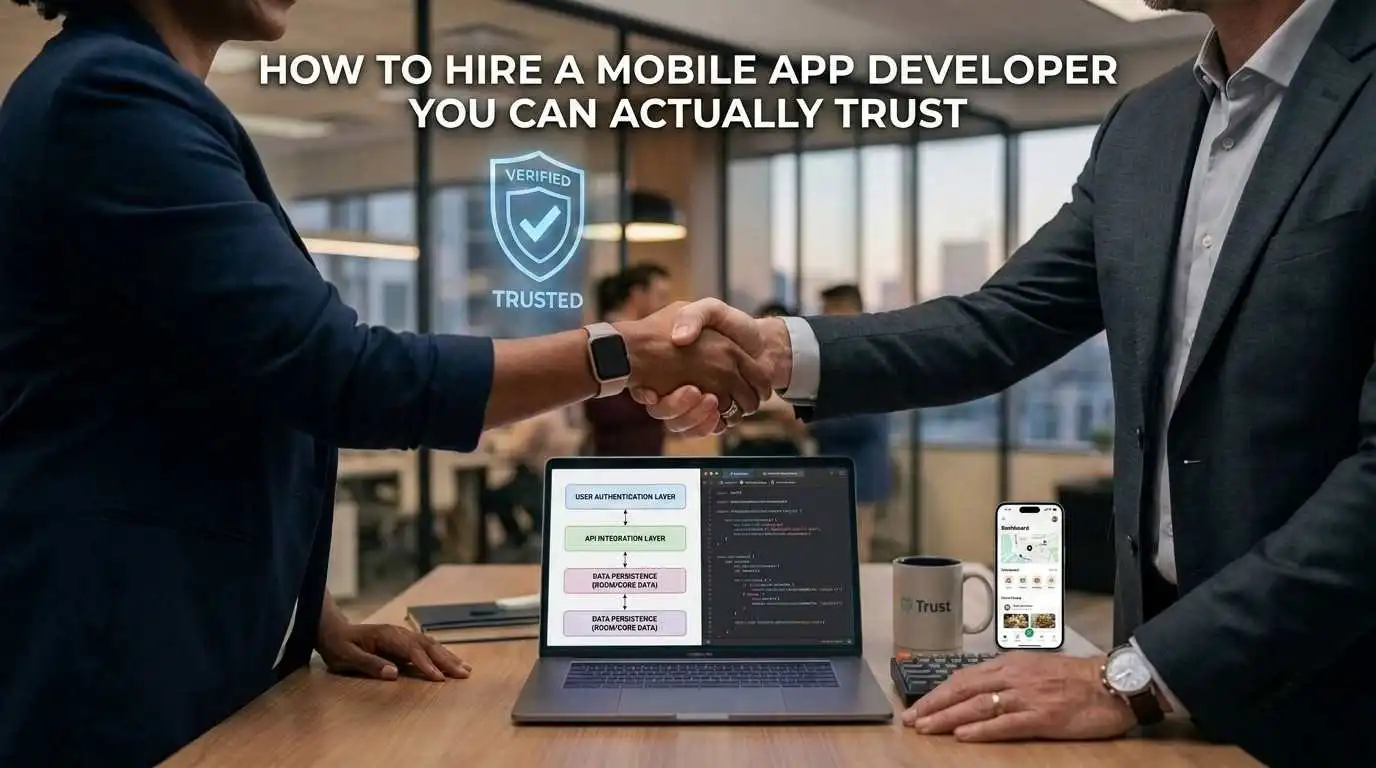
How to Hire a Mobile App Developer You Can Actually Trust
How to hire a mobile app developer starts with checking portfolios, contracts, and communication before you pay a rupee — Top Branding Altimeter shares the exact steps to hire with confidence, not guesswork.
Hiring the wrong developer can cost you months of delay and a lot of money. Knowing how to hire a mobile app developer is more than just about finding someone who can code.
A lot of thought and planning goes into it; you’re looking for someone who communicates clearly, works within a real contract, and sticks around after launch.
This guide walks through how to vet freelancers and agencies, what questions to ask, what your contract should cover, and the red flags that mean it’s time to walk away – so you can hire with confidence instead of crossing your fingers.
Freelancer vs Agency vs In-House: Which Fits Your Project?

- Freelancer: lower cost, more flexible, but less structure and higher risk if they disappear mid-project
- Agency: higher cost, but built-in team structure, QA, and project management
- In-house: highest long-term cost, but full control and dedicated focus on your product
Freelance app developer vs agency comes down to budget vs risk tolerance
In-house vs outsourced app development depends on whether you need ongoing dev work or a one-time build.
Choosing an app development company matters most when your project is complex or long-term.
How to Evaluate an App Developer’s Portfolio
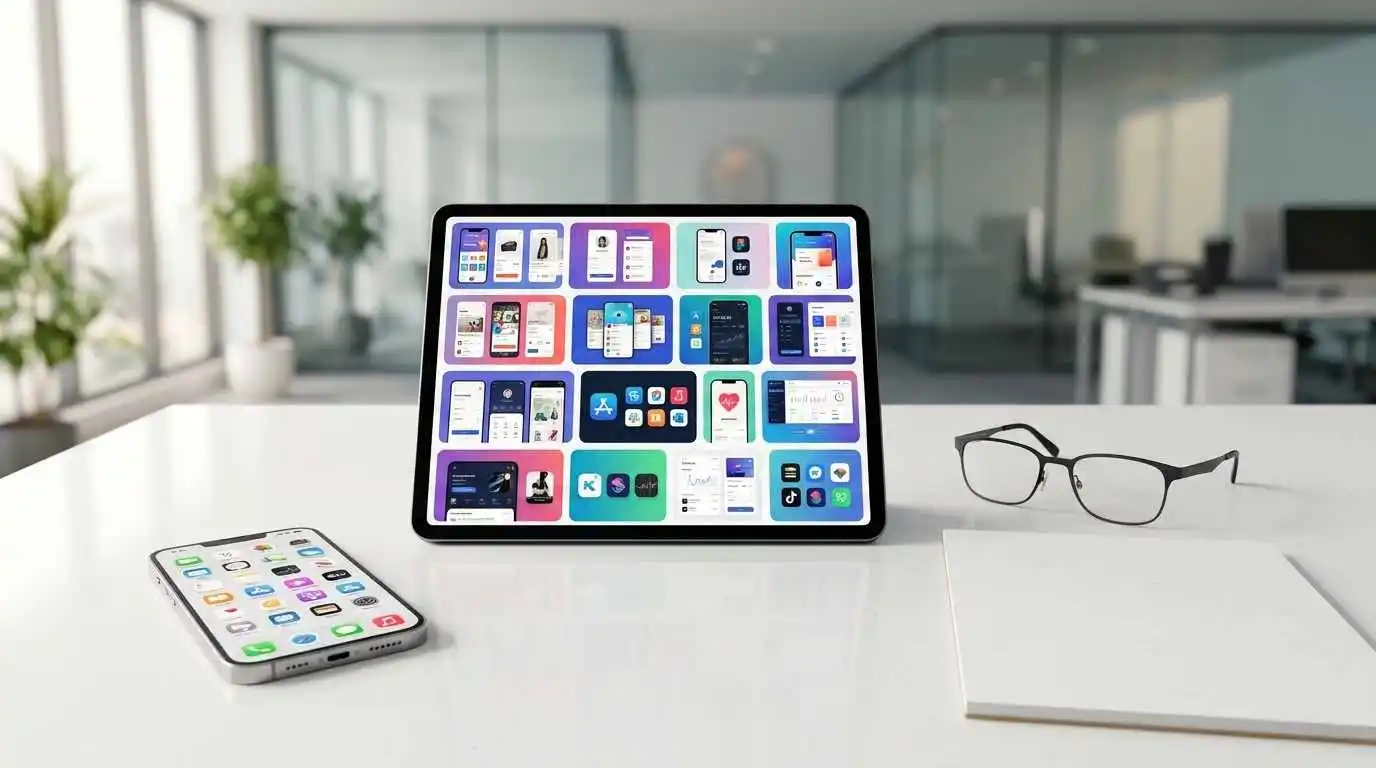
Here is a guideline for how you can evaluate a developer’s portfolio:
- Check for live app store links, not just screenshots. This is because screenshots can be mocked up or look unfinished.
- Look for apps similar to yours in industry, complexity, or feature set
- Read the actual app store reviews for portfolio apps. This shows real user experience, not just design skill
- Ask who specifically worked on each project (agencies often show teamwork, not one person’s work)
- app developer portfolio’s strength matters more than app design flash — function and real launches say more than a slick reel
- How to evaluate an app developer portfolio comes down to verifying it’s real, relevant, and actually theirs.
Not Sure How to Vet a Developer’s Portfolio?
Get expert guidance tailored to your brand — completely free consultation
Questions to Ask Before You Hire
Before you commit to anyone, run them through a quick set of questions:
- What’s your development process from start to launch?
- What’s the realistic timeline, and what could delay it?
- What tech stack do you use, and why is it right for my app?
- Can I talk to a past client or see a reference?
- Who handles QA and testing before launch?
- How do we communicate during the project: daily updates, weekly calls, a project tool?
- What happens if I need changes after the app is built?
- Questions to ask the app developer should cover process, timeline, and communication — not just cost
- App developer communication process and mobile app development team structure both matter as much as technical skill
Contracts, NDAs, and IP Ownership
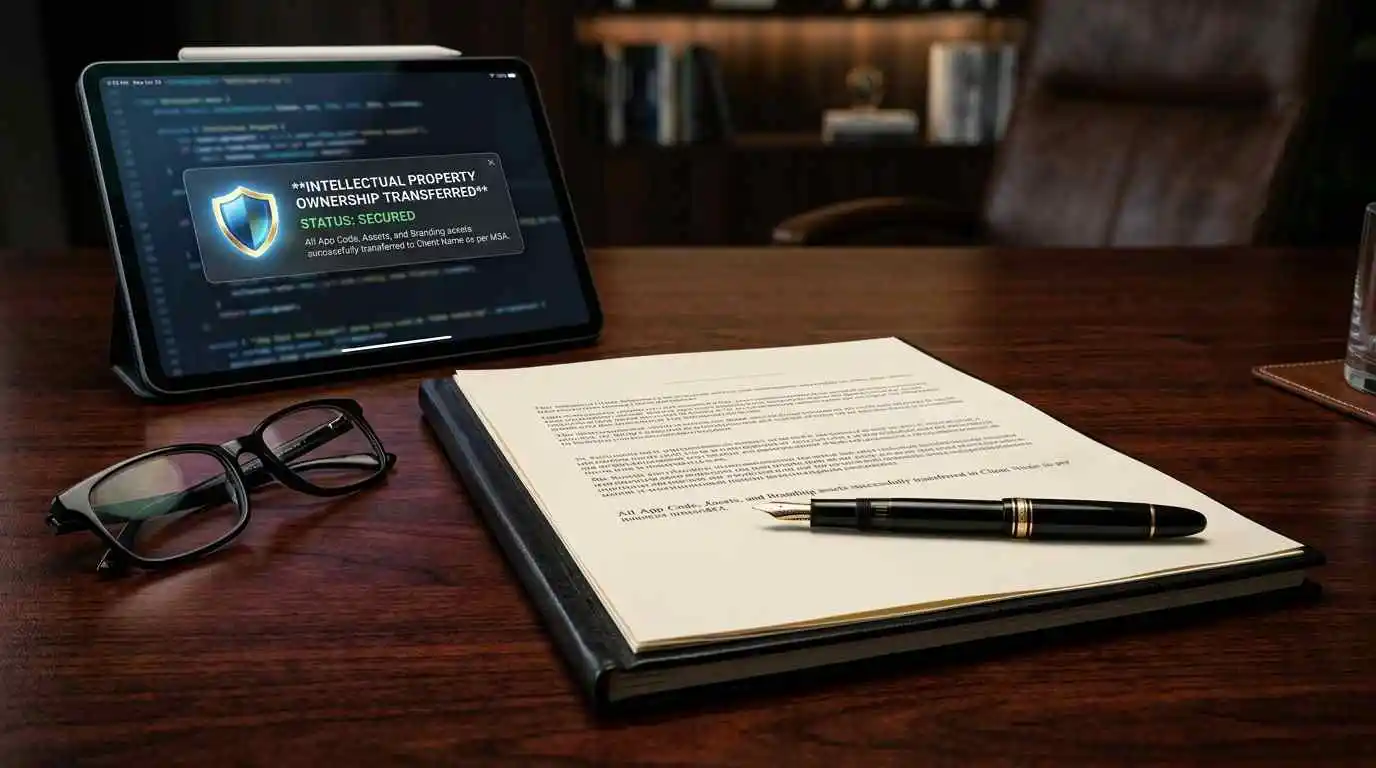
Never get into any project with just a verbal contract. It is extremely important to get everything in writing before any work begins. Here’s why this step is necessary:
- A signed contract should cover scope, timeline, payment terms, and revision limits
- An NDA protects your idea before development starts, especially if you’re sharing sensitive business details
- Confirm in writing who owns the final code, design files, and IP once the app is built. This should be you, not the developer
- Some developers retain rights to reusable code components – get clarity on what’s actually yours vs their internal tools
- app developer contract essentials include clear deliverables and a defined payment schedule tied to milestones
- app development NDA and IP ownership terms should be settled before development starts, not after.
Want a Contract That Actually Protects You?
Get expert guidance tailored to your brand — completely free consultation
Pricing and Avoiding Hidden Costs

Price alone won’t tell you if a quote is fair. This is why it’s important you know what’s actually included.
- Fixed price works best for well-defined, smaller projects with a clear scope
- Hourly or retainer pricing suits ongoing work or projects likely to change as you go
- A lowball quote often means missing scope – ask what’s excluded, not just what’s included
- Get a breakdown by phase (design, development, testing, launch) instead of one lump sum
- app developer pricing transparency means clear rates, clear scope, and no vague “final cost depends” answers
- outsourcing app development usually costs less than in-house, but hidden costs (revisions, extra features, maintenance) can close that gap fast.
Red Flags to Watch Out For: Hire A Mobile App Developer

Trust your gut here. Something that feels off before you’ve even signed anything usually gets worse after.
- No portfolio, or portfolio links that don’t actually work
- Refuses to sign a contract or NDA before starting
- Demands full payment upfront, before any work is delivered
- Vague answers about timeline, process, or who’s doing the actual work
- No mention of post-launch support or maintenance
- Pressure to decide immediately, or unusually low quotes with no explanation
- Red flags when hiring app developers often show up in communication before they show up in the work itself
- Avoiding scams in app development starts with these basics. Legitimate developers won’t hesitate on contracts or references.
Post-Launch Support: Don’t Skip This
If you think your work is done at launch, you’re wrong. Bugs, OS updates, and app store policies all need ongoing attention.
- Always inquire upfront if post-launch support is included, and for how long.
- Clarify what counts as a “bug fix” vs. a paid “new feature” request.
- Confirm who handles app store updates when iOS or Android releases new OS versions.
- Don’t settle with verbal contracts. Get everything, including the support term, in writing.
- App developer post-launch support should always be part of the contract and not something you pay extra for.
Hiring Checklist Recap: Hire A Mobile App Developer

Here’s a quick checklist to go through before signing any contract:
- Portfolio has live, working app stores linked.
- Past client references available.
- Clear process, timeline, and communication plan.
- Signed contract and NDA before work starts.
- IP ownership confirmed in writing.
- Prices broken down by phase instead of just one vague lump sum.
- Post-launch support terms included.
- No major red flags in communication or transparency.
Mobile app development agency checklist and app developer hiring guide both come down to this: verify before you commit, not after.
Ready to Hire a Mob App Developer You Can Trust?
Get expert guidance tailored to your brand — completely free consultation
FAQs – How to hire a mobile app developer
What questions should I ask before hiring an app developer?
Ask about their process, timeline, tech stack, QA approach, and communication style. Their answers reveal how organized and transparent they really are.
Should I hire a freelancer, an agency, or an in-house developer?
It depends on budget and project scope. Freelancers suit smaller budgets, agencies suit complex builds, and in-house suits long-term products.
How do I check if an app developer’s portfolio is legitimate?
Look for live app store links and read real user reviews. Confirm they personally worked on the projects shown, not just the team.
Who owns the code and IP after the app is built?
This should be settled in your contract before work starts. Ideally, you retain full ownership of the code, design, and IP.
What should be included in an app development contract?
Scope, timeline, payment milestones, revision limits, and IP ownership. Vague contracts often lead to scope creep and disputes.
How do I know if an app developer’s pricing is fair?
Ask for a phase-by-phase cost breakdown. Unusually low quotes often mean missing scope or hidden costs later.
What red flags suggest I shouldn’t hire a particular developer?
No contract, no portfolio, upfront full payment demands, or vague answers about process are all warning signs. Trust your instincts here.
Does the developer provide support after the app launches?
It should be discussed and included in the contract upfront. Ongoing support covers bug fixes, updates, and OS compatibility.
Hiring a mobile app developer comes down to trust, and trust is built through a real portfolio, a signed contract, clear communication, and support that doesn’t disappear after launch. Price matters, but it shouldn’t be the only thing you’re comparing.
Looking for a development team that checks every box on this list? Talk to Top Branding Altimeter – we’ll walk you through the process with the transparency you should expect from day one.
Ready to Grow Your Business?
Get expert guidance tailored to your brand — completely free consultation
Get Free Consultation