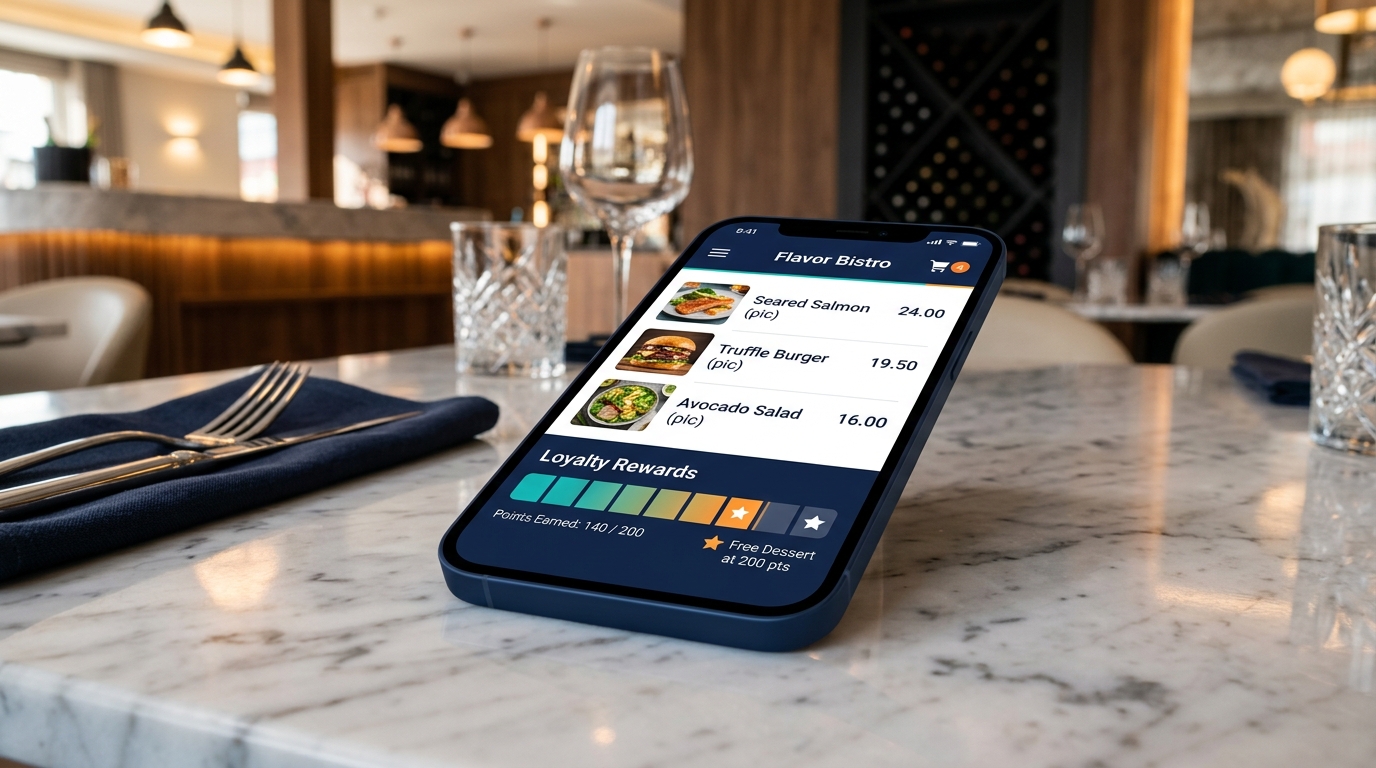
- Mobile App Development for Restaurants | Expert Guide 2026
- Why Restaurants Should Invest in Their Own Ordering App
- How a Restaurant App Actually Increases Orders
- Must-Have Features for a Restaurant App At Launch
- Table Reservations: Should You Build This?
- Loyalty Programs that Keep Customers Coming Back
- Payment Integration and POS Compatibility
- Food Delivery App Development: In-House Delivery vs. Hybrid Model
- What Does a Restaurant App Cost
- FAQs – Mobile App Development For Restaurants
- Conclusion
Mobile App Development for Restaurants | Expert Guide 2026
Mobile app development for restaurants helps streamline orders, reduce wait times, boost customer loyalty, and make dining faster, easier, and more convenient.
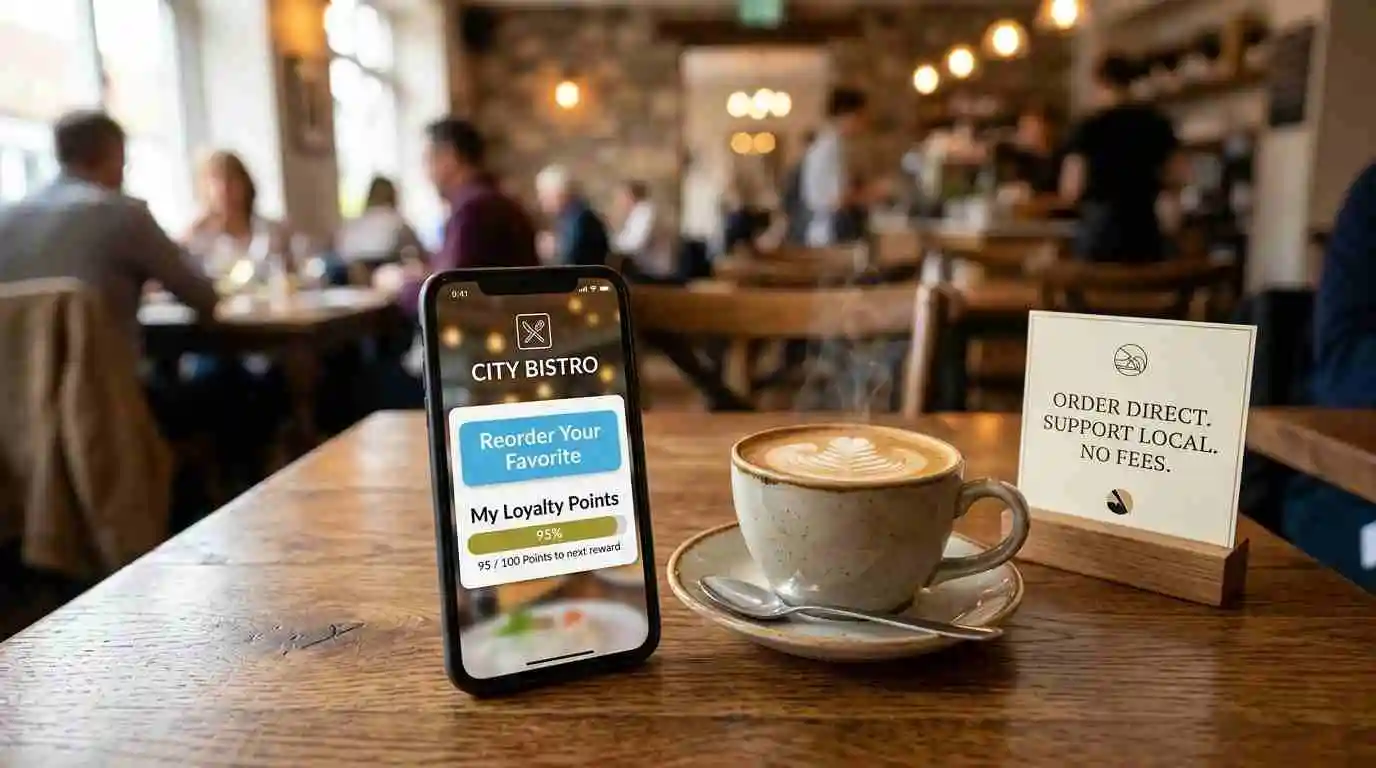
Orders placed through third-party delivery apps often come with its own cost that most restaurants overlook– a commission cut, no direct access to the customer, and no way to bring that person back without paying the platform again.
The bright side? We can easily flip the equation by investing in mobile app development for restaurants.
By getting customers to order directly from your own app, you’re the one keeping the margin, the data, and the customers.
A well-built restaurant app becomes a direct line to your regulars — pushing promotions, rewarding loyalty, and making reordering so easy that customers don’t think about other options.
Why Restaurants Should Invest in Their Own Ordering App
straight out of already thin restaurant margins. On high-volume days, that adds up to a significant chunk of revenue handed over just for the convenience of being listed on someone else’s platform.
- You’re renting your customers, not keeping them
When someone orders through a third-party app, the platform owns that relationship — not you. You don’t get their contact information, their order history, or a direct way to reach them again. If they order less frequently or switch to a competitor, you often won’t even know.
- A restaurant app puts you back in control
Building your own ordering app means every order comes without a commission fee, every customer interaction builds data you actually own, and every promotion or loyalty offer goes straight to the person, not through a middleman.
Over time, this is what turns one-time orders into repeat customers something a third-party platform has little incentive to help you do.
- It’s not about replacing delivery apps entirely
Many restaurants still use third-party platforms for occasional reach or new customer discovery. The goal of a restaurant app isn’t necessarily to cut delivery platforms out completely; it’s to give your regulars a better, cheaper way to keep ordering from you directly.
How a Restaurant App Actually Increases Orders
- Fewer steps: A saved payment method, saved address, and past order history mean regulars can reorder their usual in a few taps. That kind of friction reduction directly drives repeat orders; the easier it is, the more often people do it.
- Push notifications bring customers back: Unlike email, which often goes unread, push notifications get seen. A well-timed notification about a lunch special, a new menu item, or a slow-Tuesday discount can turn a quiet afternoon into a busy one, something a delivery platform will never do on your behalf.
- Personalized recommendations based on order history: An app that knows a customer always orders the same two items can suggest a related item, a combo deal, or a “haven’t tried this yet” nudge. Small personal touches like this increase average order value without feeling like generic upselling.
- Exclusive app-only deals: Offering a discount or perk only available through the app rather than matching what’s offered elsewhere gives customers a real incentive to order direct instead of defaulting to a delivery platform out of habit.
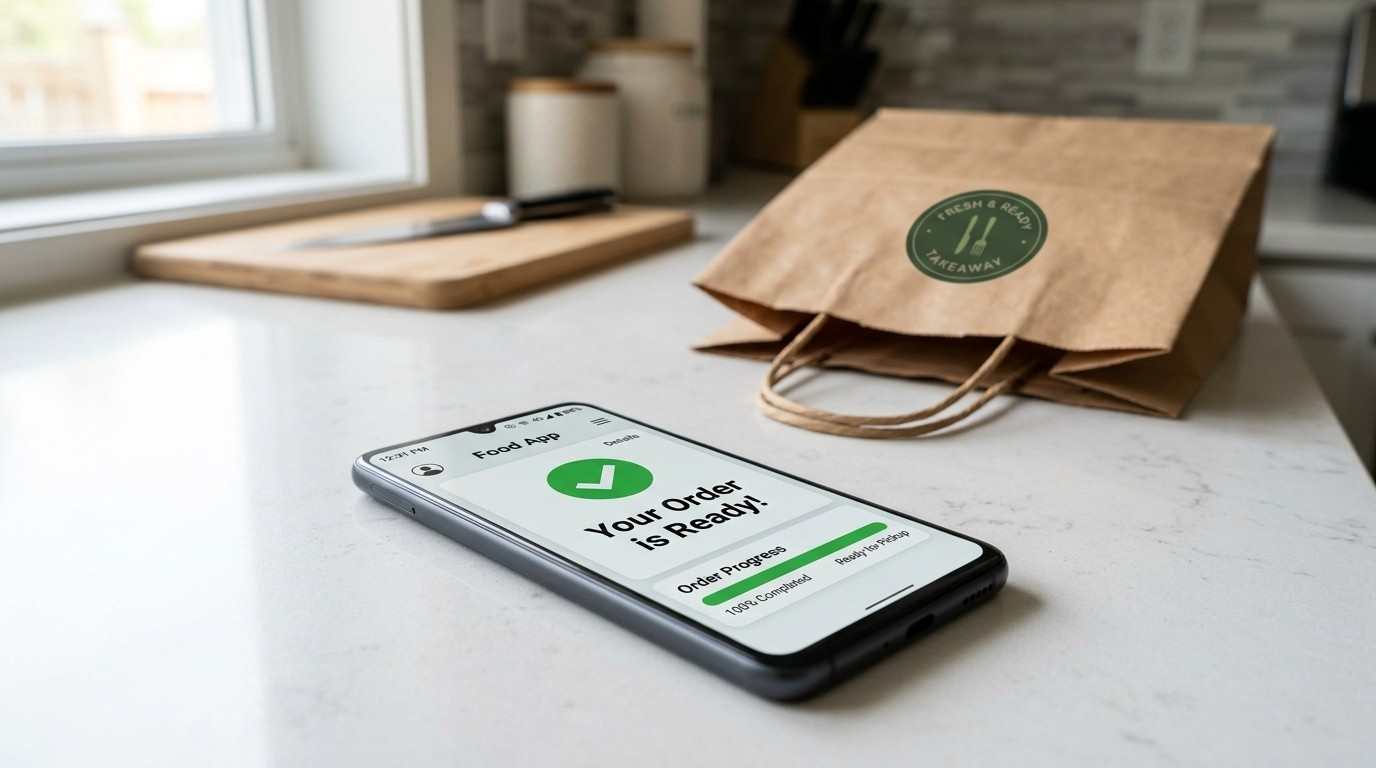
- Order tracking builds trust: Real-time order status (received, preparing, ready, out for delivery) reduces customer anxiety and support calls, and keeps the ordering experience feeling as reliable as the platforms customers are used to.
Must-Have Features for a Restaurant App At Launch
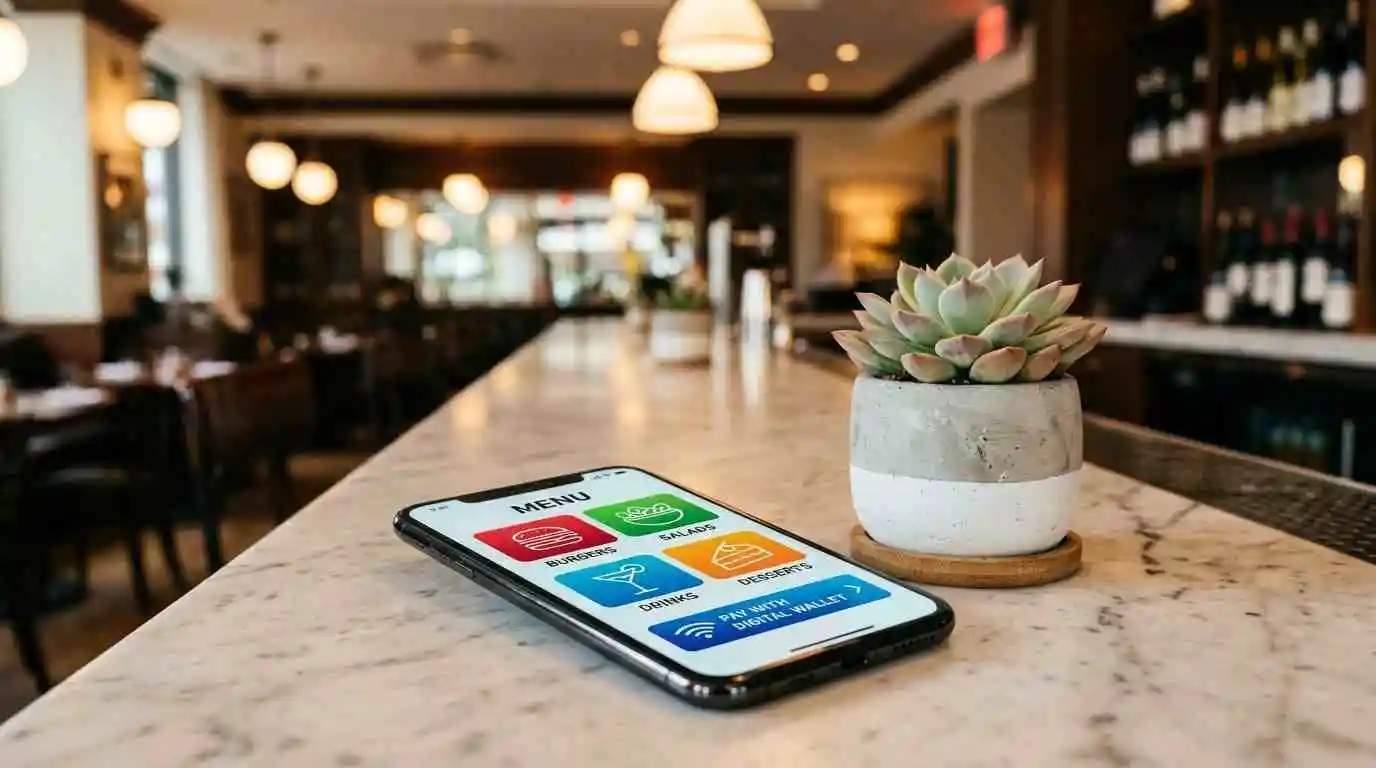
Here are some of the core features to include in the first version of your app:
- Menu browsing: Include clear categories with photos. Customers should be able to find what they want in seconds, not scroll through a wall of text.
- Simple and quick ordering flow: Add to cart, customize (extras, sizes, notes), and checkout in as few steps as possible.
- Online payment integration: Card and digital wallet support at minimum; this is non-negotiable for a launch version.
- Order tracking: Even a basic status update (received → preparing → ready) meaningfully reduces customer uncertainty.
- Saved customer profiles: Saved payment methods and addresses make repeat ordering fast, which is where the real value of an app shows up.
- Push notification capability: Even without a full marketing strategy at launch, having this built in from day one matters for promotions later.
Starting lean here keeps your launch budget focused and your timeline realistic. You can layer in loyalty, reservations, and deeper personalization once the core ordering experience is working well.
Build Your Restaurant Ordering App
Launch a direct ordering app and stop paying delivery commissions.
Table Reservations: Should You Build This?
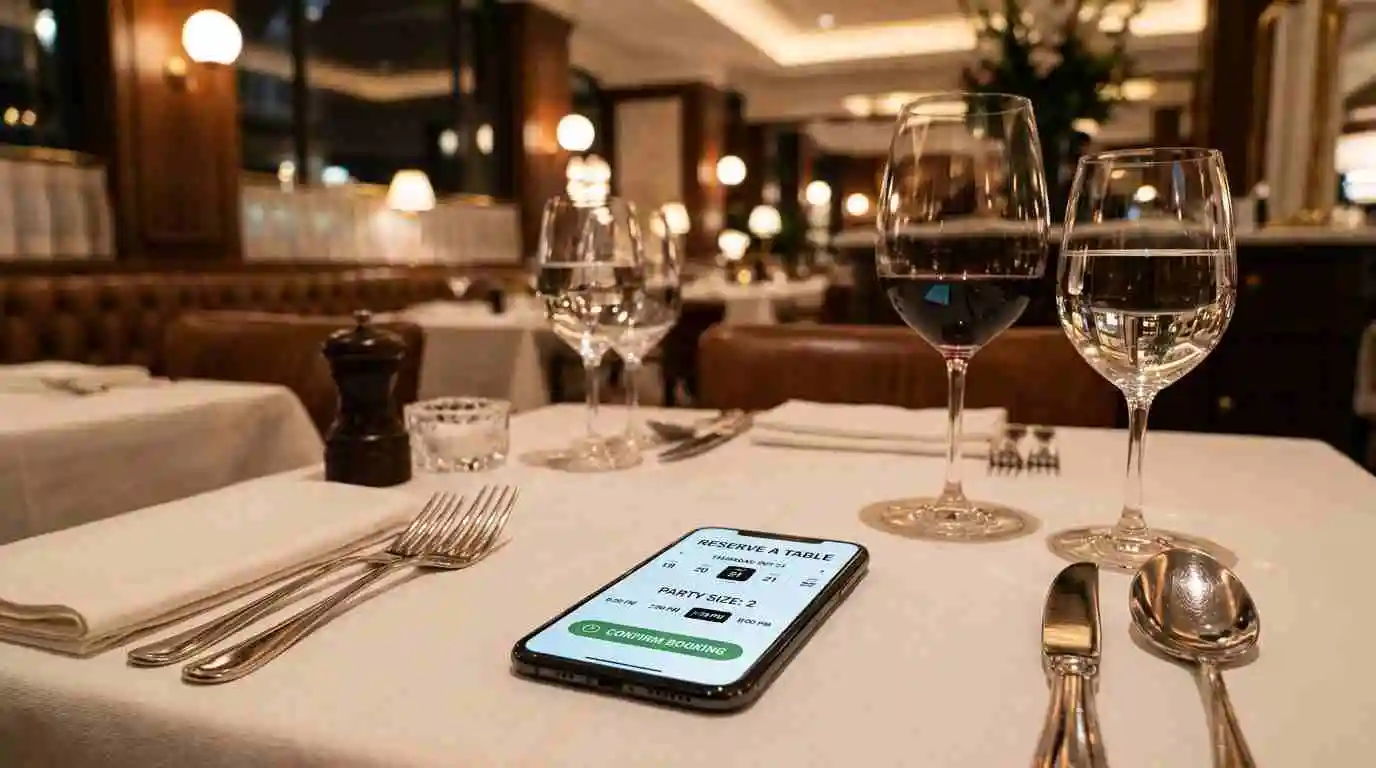
Whether this belongs in your launch version depends heavily on what kind of restaurant you’re running.
When reservations should be a launch priority
- For fine dining
- restaurants with limited seating
- places where walk-ins are the exception rather than the norm.
Booking functionality is core to the business — not a nice-to-have. Customers expect to reserve a table the same way they’d book anywhere else, and a clunky or missing reservation flow can cost you covers.
When it can wait
- For fast-casual, counter-service
- delivery-and-pickup-focused restaurants,
reservations add development time and cost without matching how most customers actually use the app. In these cases, it’s a reasonable feature to add in a later update once ordering is solid.
What a good reservation feature includes
- Real-time table availability, not just a request-and-wait system
- Party size and time selection with automatic confirmation
- Optional deposit or card-on-file for high-demand time slots, to reduce no-shows
- Simple cancellation and rescheduling for customers
A middle-ground option
If you’re unsure whether to include it at launch, a simple “request a reservation” form without real-time availability can bridge the gap.
It gives customers the option without the added backend complexity of a full booking engine, and you can upgrade to real-time booking once you see how much demand there actually is.
Loyalty Programs that Keep Customers Coming Back
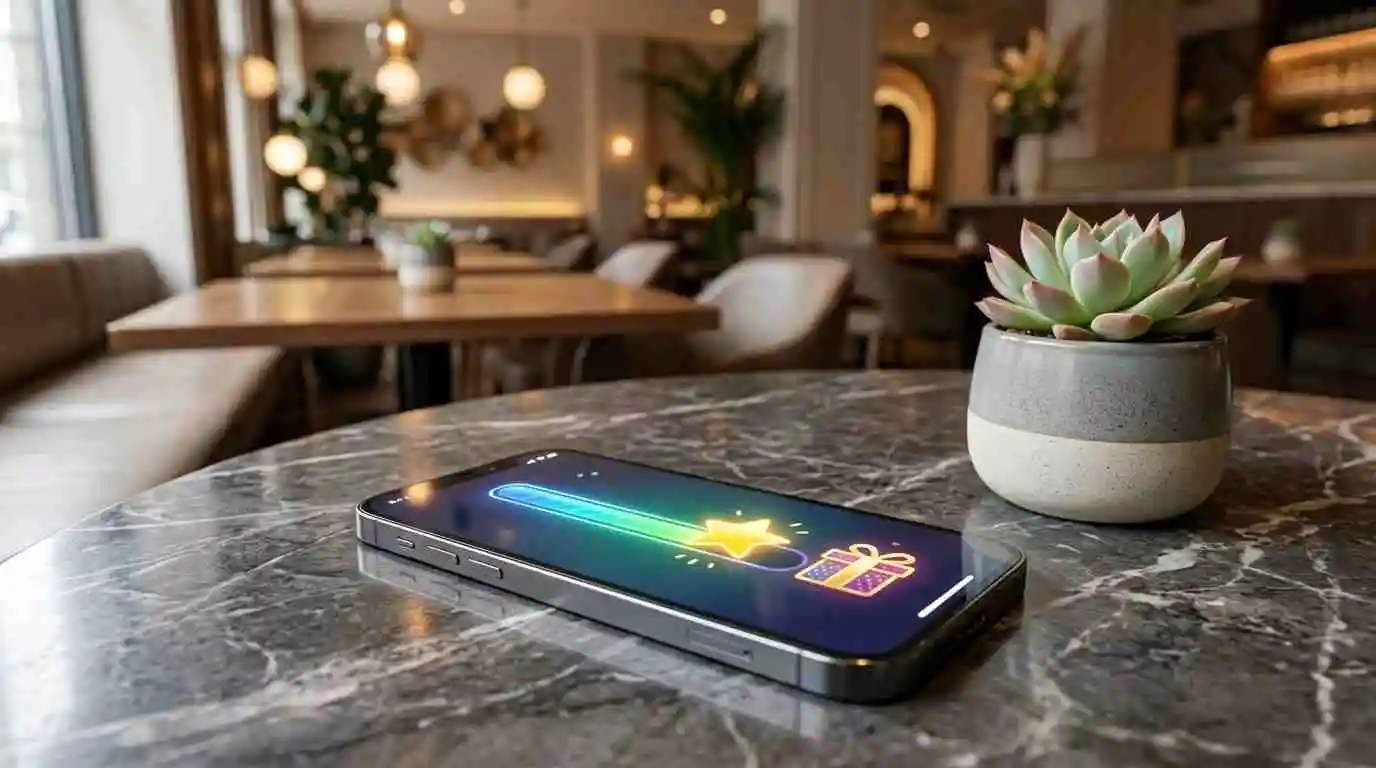
A physical punch card or a generic email code can easily get lost. An in-app loyalty program, on the other hand, automatically tracks every order so customers can view their progress in real time and get rewarded without having to remember codes or cards.
- Point-Based Reward: Customers earn points per order, redeemable for discounts, free items, or perks. It is straightforward, making it a solid starting point for most restaurants.
- Tiered Loyalty Perks: Offer higher rewards for frequent customers (“regular” tier vs. a top-tier “VIP” status). Gives your loyal customers a reason to stay, and new ones something to work toward.
- Personal Touches to Build Loyalty: Birthday or anniversary offers, surprise perks after a certain number of orders, or early access to new menu items all make customers feel recognized.
- Start Simple: It is better to start with a straightforward model to not complicate usage. See how customers respond, and introduce new features only if it improves engagement.
Turn First-Time Diners Into Regulars
Add a loyalty program that keeps customers ordering directly from you.
Payment Integration and POS Compatibility
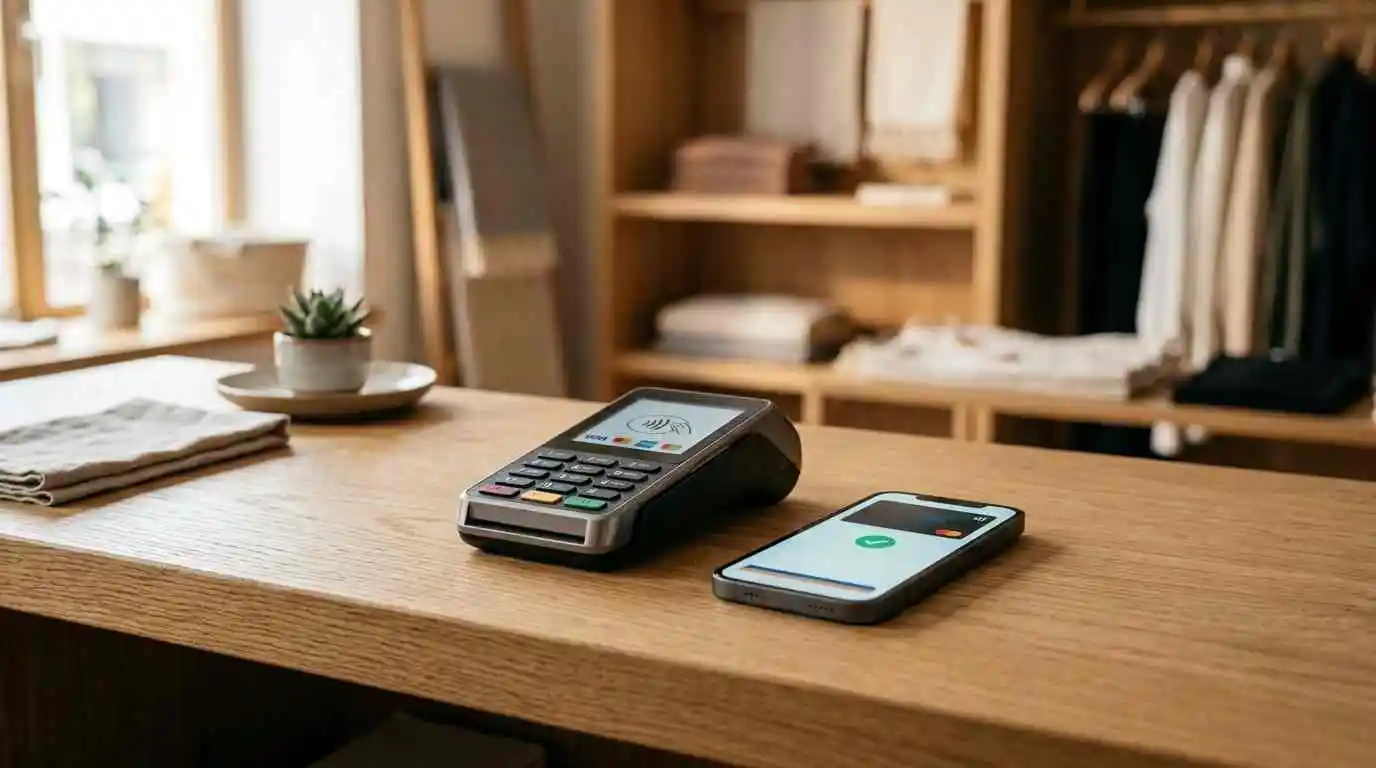
-
- Support Standard Payment Methods: Allow cards and digital wallets (Apple Pay, Google Pay) at minimum.
- Direct Integration with Your POS System: Orders placed through the app should flow straight to the kitchen without staff re-entering them manually, which reduces errors and speeds up service.
- Check POS Compatibility Before Development Starts: This should be confirmed early to avoid rebuilding the order flow later.
- Keep Checkout Simple: Saved payment info and a one-tap reorder option reduce cart abandonment more than any other single feature.
Food Delivery App Development: In-House Delivery vs. Hybrid Model
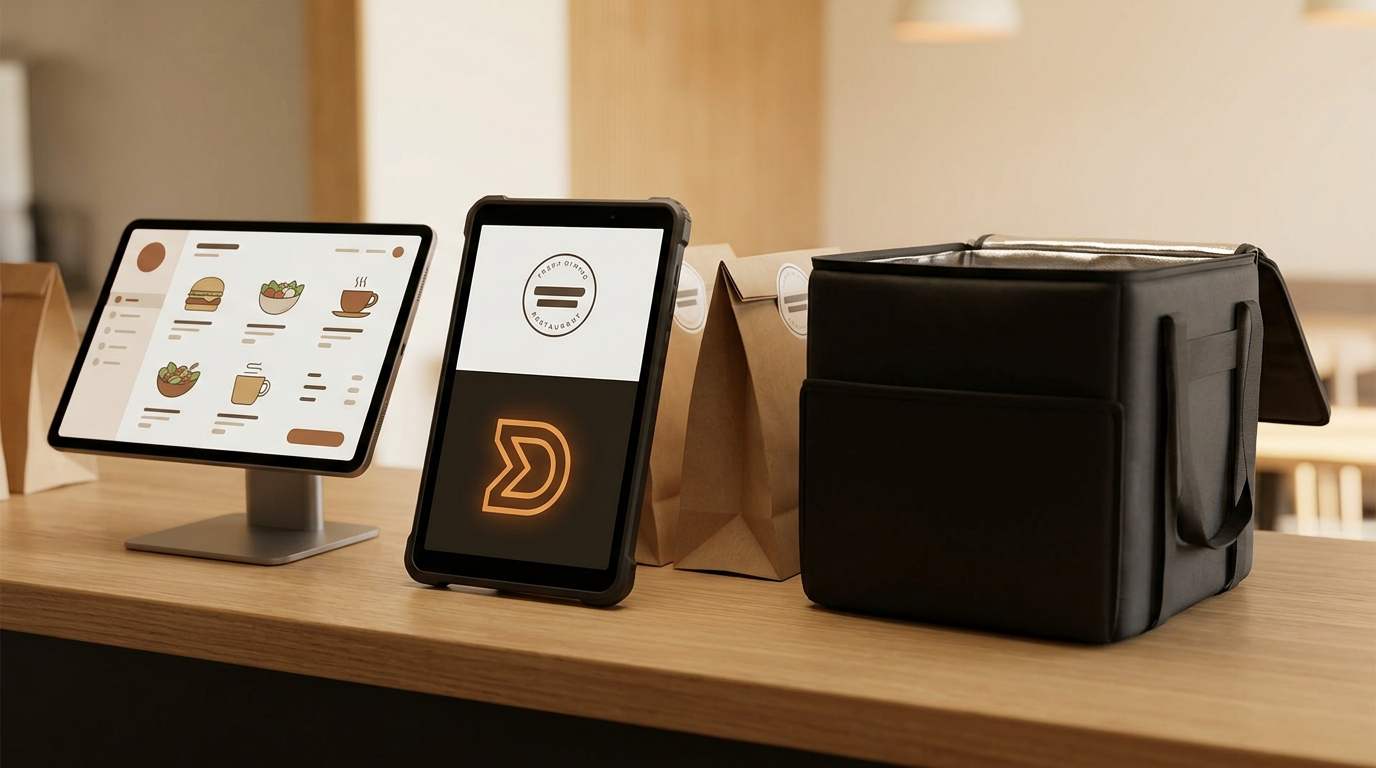
- Pick Up and Dine In Only: Often the simplest and cheapest to build as it skips delivery logistics entirely and works well for restaurants where most orders are already in person.
- In-House Delivery: Keeps full control over margin, but requires extra staffing, route logistics, and delivery tracking features, which can add development cost.
- Hybrid Model: Use your own app for ordering, but tap third-party drivers (via delivery-as-a-service integrations) for the actual delivery leg. Gives you the direct customer relationship without hiring and managing a delivery fleet yourself.
What Does a Restaurant App Cost
| Tier | Cost Range | What’s Included |
| Basic ordering app (MVP) | $2,000 – $30,000 | Menu browsing, ordering, payment, basic order tracking — enough for a single location to start taking direct orders |
| Mid-range app with loyalty | $30,000 – $70,000 | Everything above, plus a loyalty/rewards program, push notifications, and deeper POS integration |
| Full-featured app | $70,000 – $150,000+ | Everything above, plus table reservations, in-house delivery logistics, personalized recommendations, and multi-location support |
Where the cost typically goes: POS integration and payment processing tend to add more complexity and cost than most restaurant owners expect, since every POS system works a little differently.
Starting with a focused MVP and adding loyalty, reservations, or delivery once the core app is working well keeps the initial investment manageable.
Get a Restaurant App Cost Estimate
Find out exactly what your restaurant app will cost to build.
FAQs – Mobile App Development For Restaurants
Why should a restaurant invest in its own mobile ordering app?
An owned app eliminates third-party commission fees and gives you direct access to customer data and order history.
How does a restaurant app help avoid third-party delivery fees?
Orders placed directly through your app skip the 15–30% commission that delivery platforms typically charge. You keep the full margin on every order processed in-house.
What features should a restaurant app include at launch?
At minimum: menu browsing, a simple ordering flow, online payment, order tracking, and saved customer profiles. Loyalty programs and reservations can be added in a later update.
Can a restaurant app include table reservations and loyalty rewards?
Yes, both can be built into a restaurant app, though they’re often added after the core ordering experience launches.
How much does it cost to build a restaurant ordering app?
A basic MVP typically costs $2,000–$30,000, while a full-featured app with loyalty, reservations, and delivery can run $70,000–$150,000+. Most restaurants start with a focused MVP and expand from there.
How does a restaurant app improve customer retention?
Push notifications, personalized recommendations, and loyalty rewards keep customers engaged directly with your restaurant instead of defaulting to a delivery platform. Saved profiles also make reordering fast enough that it becomes a habit.
Can a restaurant app be integrated with existing POS systems?
Yes, most restaurant apps can integrate with existing POS systems so orders flow directly to the kitchen. Compatibility varies by POS provider, so it’s worth confirming early in development.
How long does it take to launch a restaurant app?
A basic ordering app typically takes 6–10 weeks to build and launch. More complex apps with loyalty, reservations, or delivery logistics take longer, depending on scope.
Conclusion
Start with a focused MVP, build loyalty once you have real order volume, and layer in reservations or delivery as demand justifies it. The result is more orders, better margins, and customers who keep coming back to you instead of a delivery platform.
Get it Yours Mobile App Development for Restaurants
Start with a focused MVP, then add loyalty, reservations, or delivery as demand grows. Top Branding Altimeter can help build a restaurant app that drives direct orders and repeat customers. With 700+ satisfied 5-star Google Business Profile clients who have trusted us for multiple digital services, we can help turn your app idea into a scalable solution.
Ready to Grow Your Business?
Get expert guidance tailored to your brand — completely free consultation
Get Free Consultation