
- Lead Generation Strategies for Local Service Businesses
- Stop Being a "Search Result" and Start Being a Neighbor
- The Psychology of the "Micro-Conversion"
- Death to the "20-Question" Lead Form
- Hyper-Local Content: Speak the Local Language
- The "Speed-to-Lead" Reality Check
- Social Proof That Actually Sounds... Social
- Video: The "Face" of the Franchise
- The "Local Hero" Referral Network
- Reputation Management (Beyond the Stars)
- Education Over Ego
- Conclusion: The Altimeter of Success
Lead Generation Strategies for Local Service Businesses
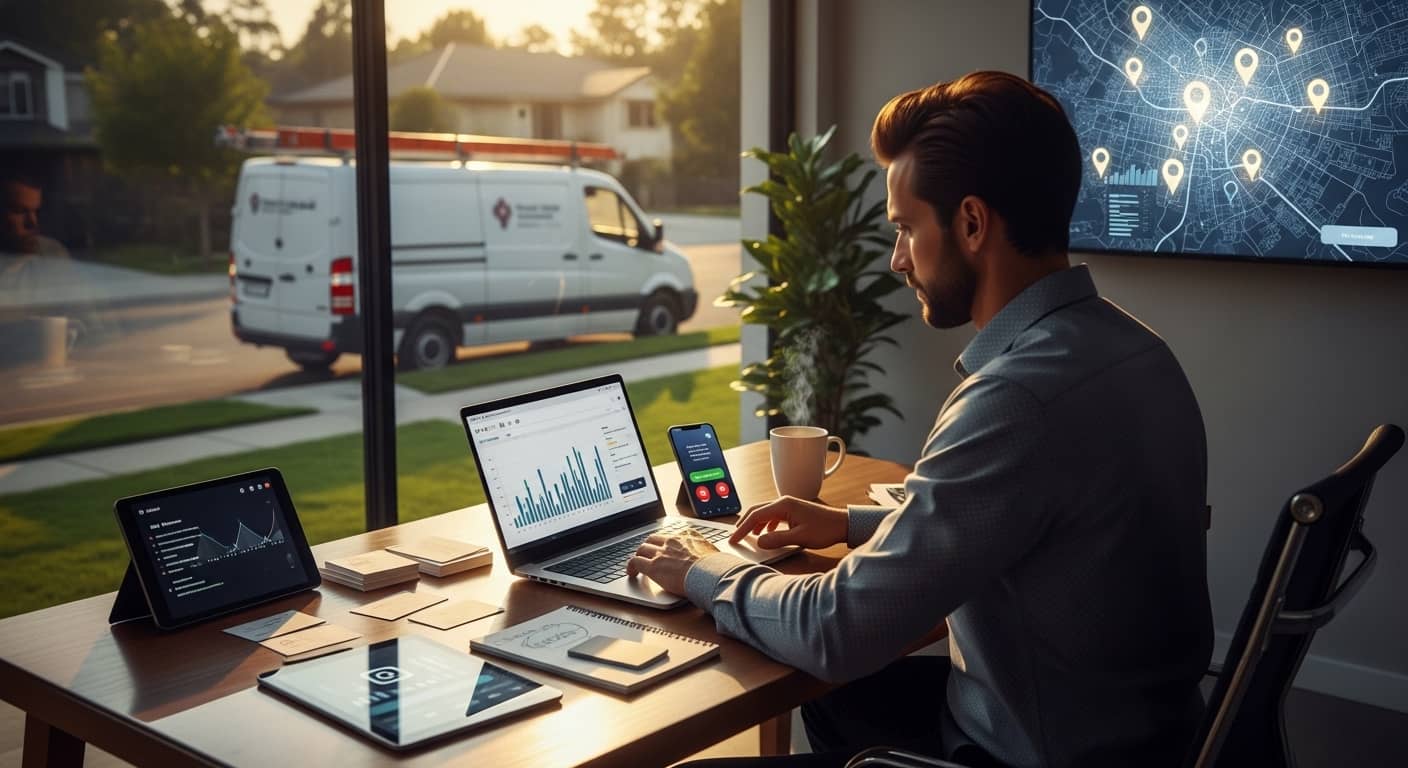
If you’re running a local service business—whether you’re an electrician in a van or a lawyer in a high-rise—you’ve likely felt the “digital disconnect.”
You see the traffic numbers on your dashboard go up, but the phone stays silent. Or worse, the phone rings, but it’s a “price shopper” from three towns over who isn’t actually in your service area.
In 2026, lead generation strategies have shifted. It’s no longer about yelling the loudest on the internet; it’s about being the most helpful neighbor.
For Top Branding Altimeter clients, the goal isn’t just “local leads marketing“—it’s building a bridge of trust before you ever knock on a customer’s door.
Stop Being a “Search Result” and Start Being a Neighbor

Most businesses treat their Google Business Profile (GBP) like a digital yellow page ad. They set it, forget it, and wonder why they aren’t ranking.
To humanize your brand, treat your GBP like a social media feed. If you’re a landscaper, don’t just post a photo of a finished lawn. Post a 15-second clip of your team drinking coffee before the shift, or a photo of the “office dog” in the truck.
Why this works: People don’t hire “AC Repair Inc.”; they hire Dave, the guy who looks like he knows what he’s doing and won’t track mud on their carpet.
By using LSI terms naturally in these updates—mentioning specific street names or local landmarks—you’re telling Google (and your neighbors) that you are truly local.
The Psychology of the “Micro-Conversion”
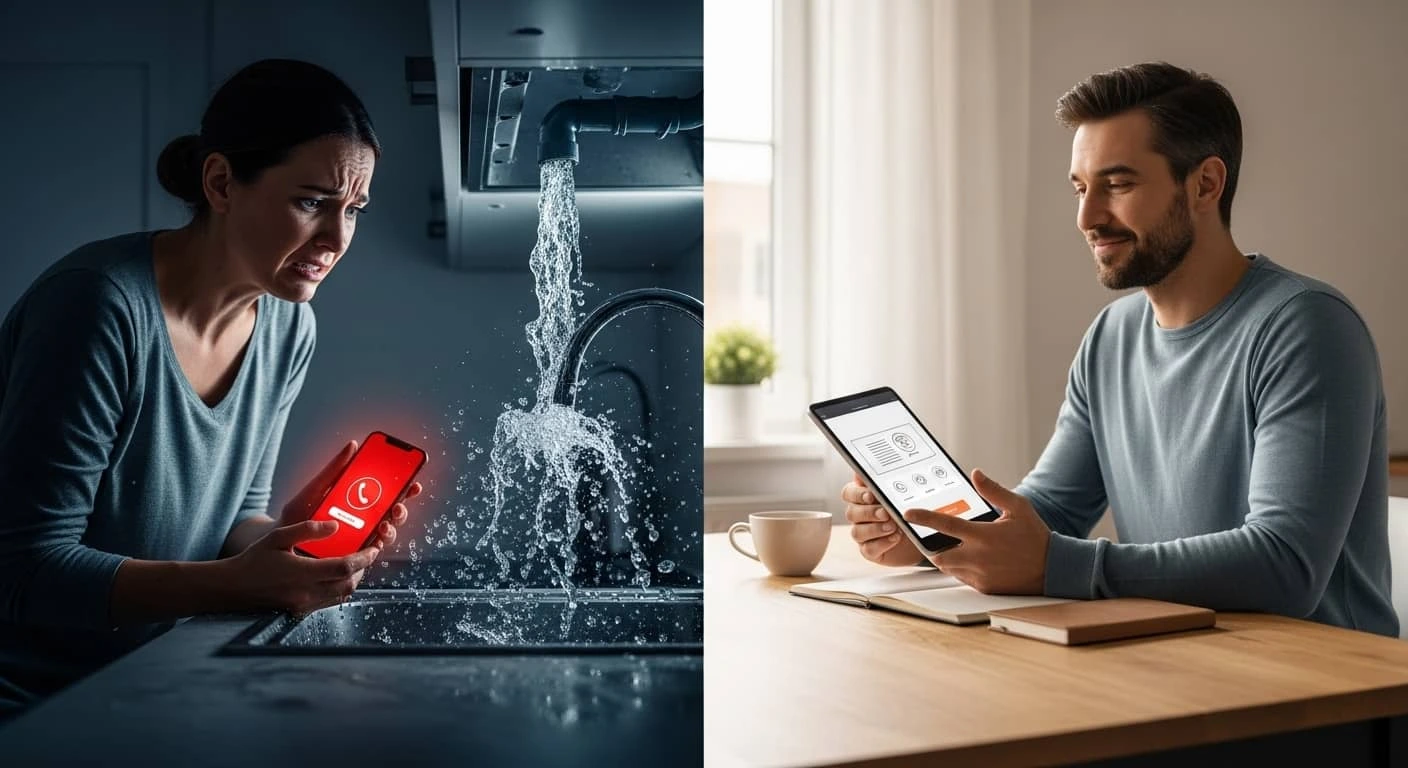
We’ve all seen the massive, generic “CONTACT US” buttons. They’re cold, they’re demanding, and frankly, they’re a bit intimidating.
Instead of jumping straight to the “marriage proposal” (the sale), try a “first date” (the micro-conversion). Use forms and CTAs that match the user’s stress level.
- The High-Stress CTA: “Burst Pipe? Click to Call an Emergency Plumber Now.”
- The Low-Stress CTA: “Not sure if your roof survived the hail? Get our 2-minute ‘Repair vs. Replace’ guide.”
By offering value before asking for a credit card, you position your brand as an authority, not just a solicitor.
Death to the “20-Question” Lead Form

Nothing kills a lead faster than a form that feels like a tax audit. If a potential client has a leaking faucet, they don’t want to tell you their zip code, middle name, and how they heard about you before they can even ask for a price.
The smart Approach: Use “Frictionless” multi-step forms.
- Slide 1: “What can we help you fix today?” (Simple icons for HVAC, Plumbing, etc.)
- Slide 2: “When would you like us to come by?” (A simple calendar)
- Slide 3: “Where should we send your confirmation?” (Name and Email/Phone)
This builds momentum. By the time they reach the contact info field, they’ve already invested time in the process.
Hyper-Local Content: Speak the Local Language

Generic content is a commodity. Hyper-local content is an asset. If you are a basement waterproofing company in a city known for its clay soil, write a blog post titled “Why [City Name]’s Clay Soil is Ruining Your Foundation (and How to Stop It).”
This uses secondary keywords and NLP terms naturally. You aren’t “gaming the system”; you’re solving a specific problem for a specific person.
When a local homeowner reads that, they don’t see a salesman; they see a specialist who understands their specific environment.
The “Speed-to-Lead” Reality Check
Let’s be honest: in 2026, if you take four hours to respond to an inquiry, you’ve already lost the job. The homeowner has already called three other people, and the first one to text back won the contract.
Humanizing your business doesn’t mean you have to be glued to your phone 24/7. It means using lead generation strategies that involve smart automation.
- The “Missed Call Text-Back”: If you’re under a sink and can’t answer, an automated text should go out immediately: “Hey, it’s Mike. I’m finishing up a job right now, but I want to help. Can you text me a photo of the issue?”
This feels personal, it keeps the lead from calling a competitor, and it starts a conversation immediately.
Social Proof That Actually Sounds… Social
We’ve all seen the “Bob S. says: Great job!” reviews. Nobody believes those anymore.
To truly leverage local leads marketing, you need “Street Cred.”
- Screenshot the Love: When a customer texts you, “Thanks for saving the day, the kids finally have hot water again!”, ask if you can share a screenshot of that text (with their name blurred).
- The “Before and After” Story: Don’t just show the pretty “After” photo. Show the “Before”—the mess, the chaos, the problem. It makes the “After” feel like a hard-earned victory.
Video: The “Face” of the Franchise
If your website is just text and stock photos, you’re a ghost. In 2026, people want to see the person they are letting into their home.
You don’t need a Hollywood budget. A simple iPhone video of the owner saying, “Hi, I’m Sarah. We’ve been serving the [County] area for ten years.
We’re a family business, and we treat your home like our own.” It does more for your conversion rate than $5,000 worth of SEO tweaks. It bridges the gap between a “service provider” and a human being.
The “Local Hero” Referral Network
Lead gen isn’t just digital; it’s communal. Think about the “Customer Journey.” If someone is buying a house, they need a realtor, then a home inspector, then a locksmith, then a painter.
The Strategy: Create a “Local Resources” page on your site. Feature the best local businesses you actually trust. When you send them a lead, they’ll send one back.
This creates a web of local backlinks and high-quality local leads that come with a built-in recommendation.
Reputation Management (Beyond the Stars)
Google’s AI is getting smarter. It reads the content of your reviews. If ten people say “The best emergency electrician in [City],” Google’s NLP starts ranking you for those terms automatically.
The Human Touch: Respond to every review—even the bad ones. Especially the bad ones. A calm, professional, and helpful response to a 1-star review shows potential leads that you are accountable.
It proves there is a human on the other side of the screen who cares about making things right.
Education Over Ego
The best way to generate leads is to stop trying to “get” them and start trying to “give” value.
- Use your blog to answer the questions you get asked every day on the job.
- “How much should a new roof actually cost in 2026?”
- “3 signs your water heater is about to explode.”
When you educate your customers, you remove the “sales” pressure. You become a consultant. And people buy from consultants they trust.
Conclusion: The Altimeter of Success
At the end of the day, Top Branding Altimeter is about elevating your business above the noise.
Effective lead generation strategies aren’t about tricking people into clicking a button; they are about proving that you are the most reliable, most local, and most human option available.
Optimize your forms and CTAs, keep your response times fast, and never forget that on the other side of every “lead” is a person with a problem looking for a hero.