- Brand Identity Design Explained: Beyond Just a Logo
- Defining the Visual Identity System
- The Core Brand Assets: Your Toolbelt
- Beyond the Screen: Physical and Sensory Assets
- The "Golden Thread" of Consistency
- How to Audit Your Current Identity
- Brand Identity Design: An Industry Expert’s Guide Beyond the Logo
- How Comprehensive Design Solves User Problems
- Conclusion: Investing in the Foundation
Brand Identity Design Explained: Beyond Just a Logo

Imagine walking into a high-end restaurant. You aren’t just there for the food. You’re there for the weight of the silver cutlery, the warmth of the lighting, the curated playlist, and the way the menu feels in your hands.
If that restaurant only had great food but served it on paper plates in a room with flickering fluorescent lights, you’d feel a “disconnect.”
In the business world, that disconnect is exactly what happens when you have a great product but a weak brand identity design.

Many founders think they can check the “branding box” by hiring a designer to whip up a logo. But a logo is just a signature. Your visual identity system is the entire body of work that makes that signature mean something.
Defining the Visual Identity System
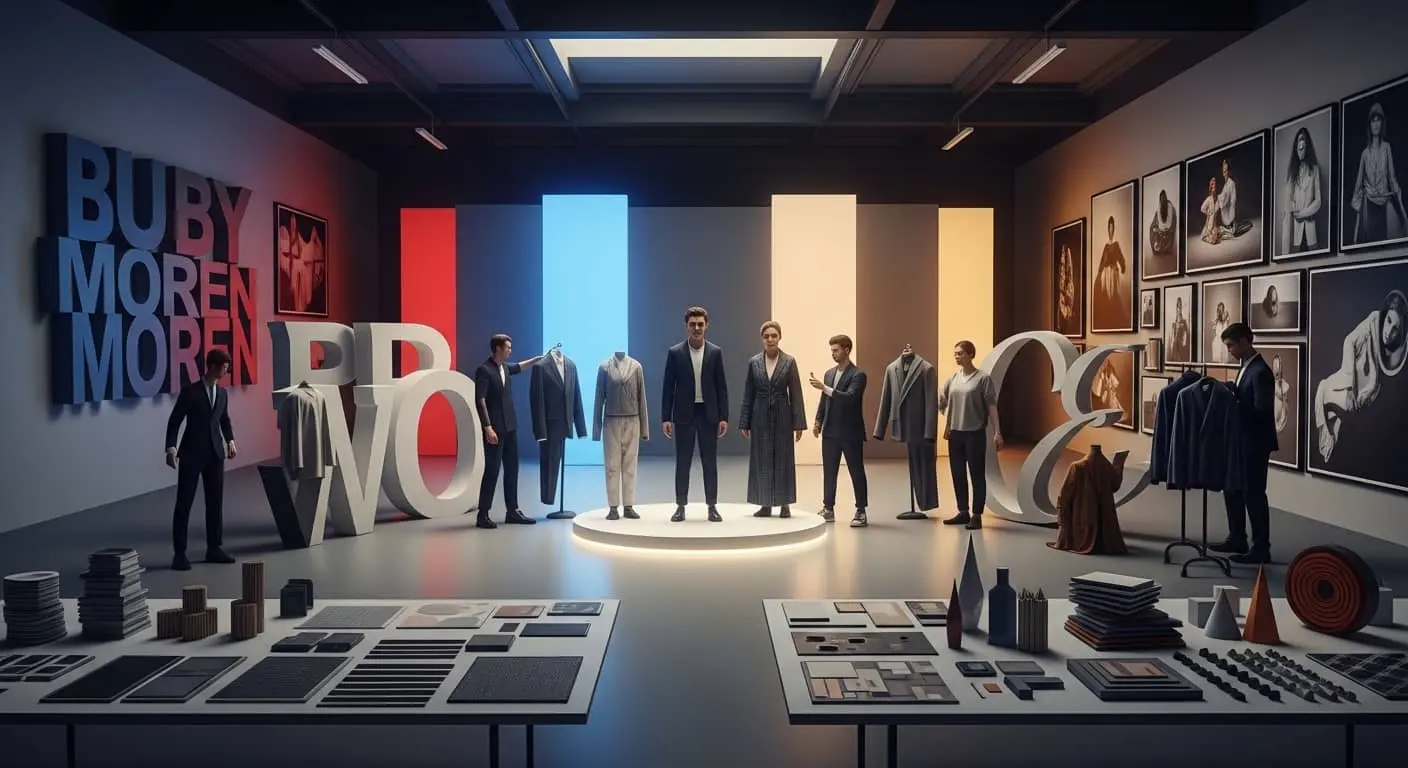
If your brand is a person, the brand identity design is their entire wardrobe, their body language, and their handwriting. It is a cohesive language used to communicate without saying a single word.
A visual identity system is a collection of components that work in harmony to create a consistent “vibe.” This includes:
- Typography: The personality of your text.
- Color Palette: The emotional atmosphere.
- Imagery Style: The “filter” through which you see the world (e.g., candid photography vs. 3D illustrations).
- Graphic Elements: The patterns, textures, and shapes that act as brand DNA.
Why “Systems” Win Over “Styles”

A “style” is a one-off choice. A “system” is a set of rules. For a scaling company, you need a system so that when a new designer, social media manager, or web developer joins the team, they don’t have to guess what “cool” looks like. They have the blueprint.
The Core Brand Assets: Your Toolbelt
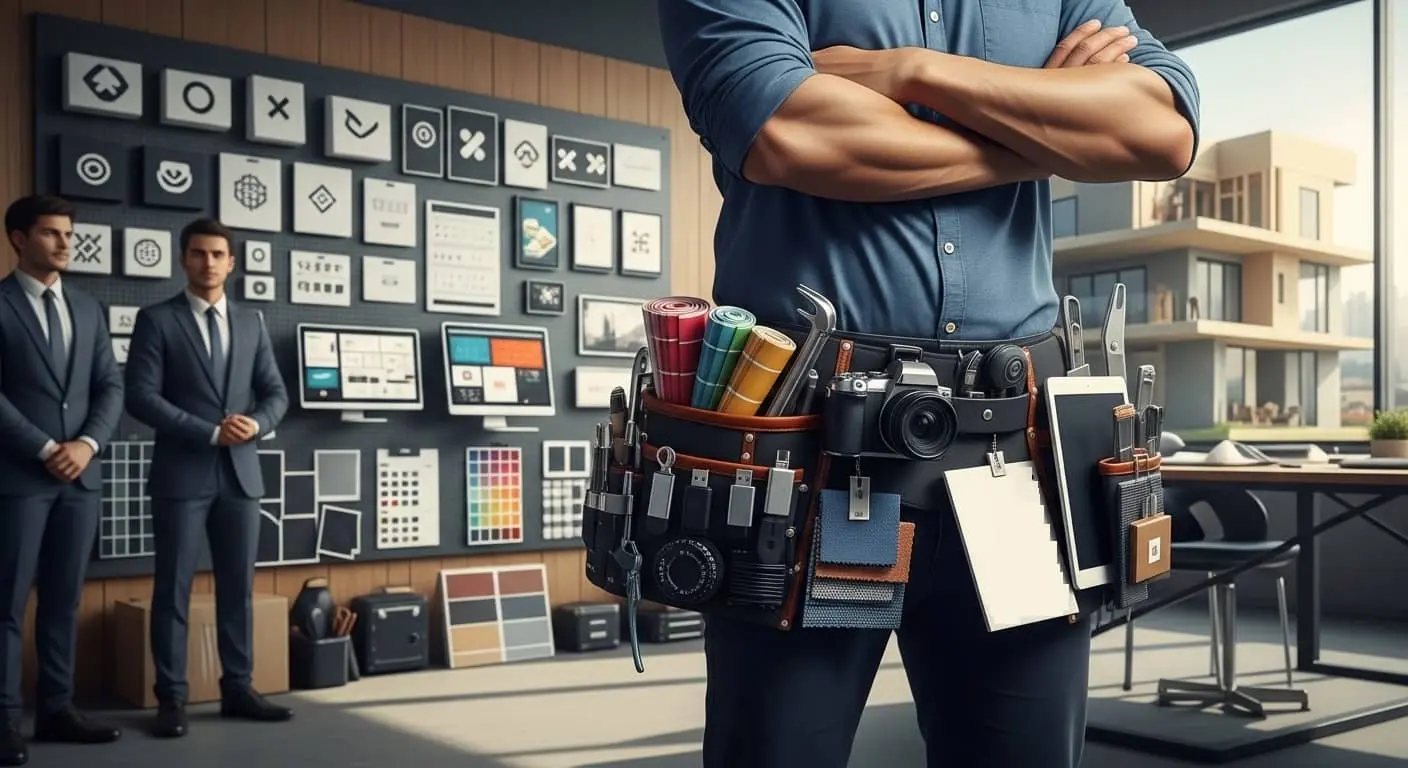
To build a house, you need more than just a hammer. To build a brand, you need a full library of brand assets. These are the individual files and elements that your team uses every day.
The Logo Suite (Yes, Suite)
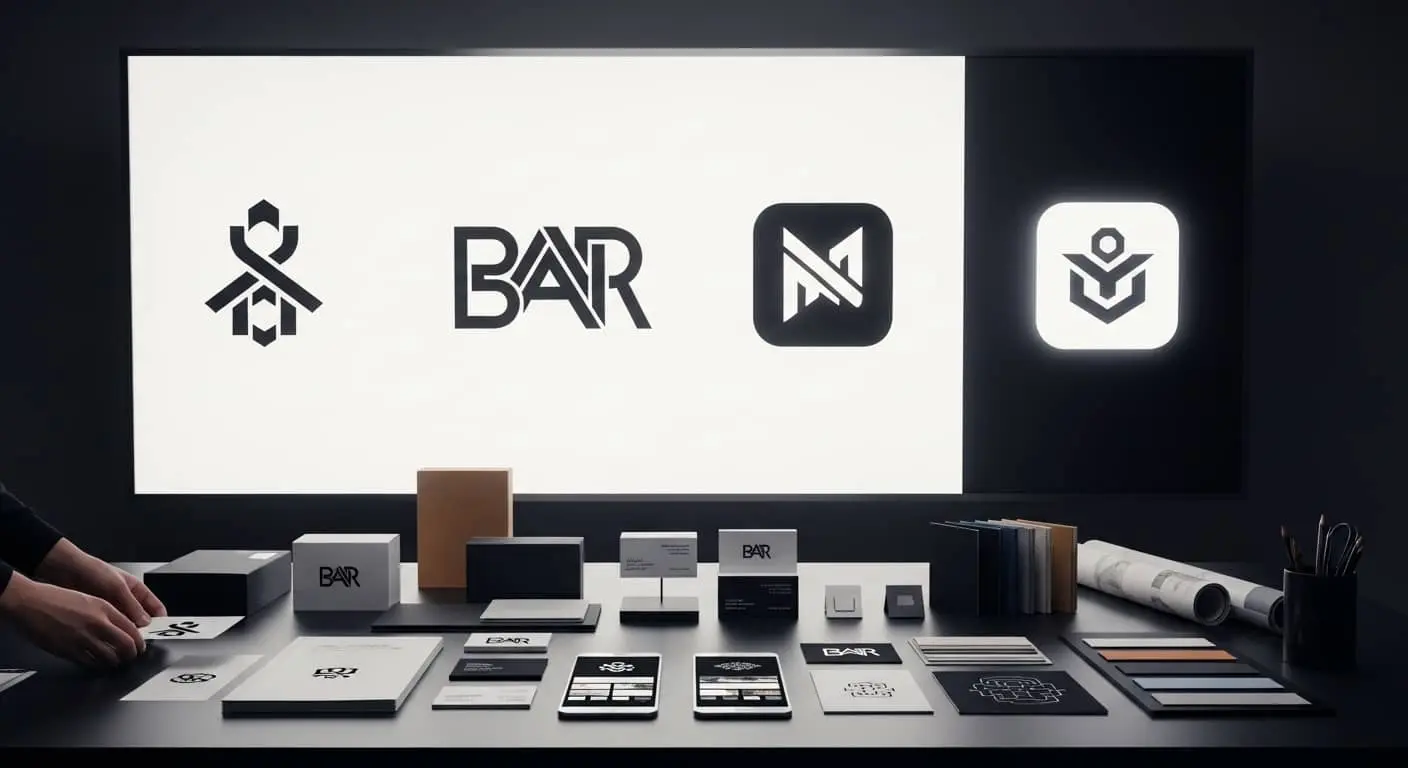
In 2026, a single logo file isn’t enough. You need:
- The Primary Logo: The full version.
- The Logotype: Just the text.
- The Logomark: A symbol for social media profile pictures or app icons.
- The Reverse: A version that works on dark backgrounds.
Typography as a Hidden Weapon
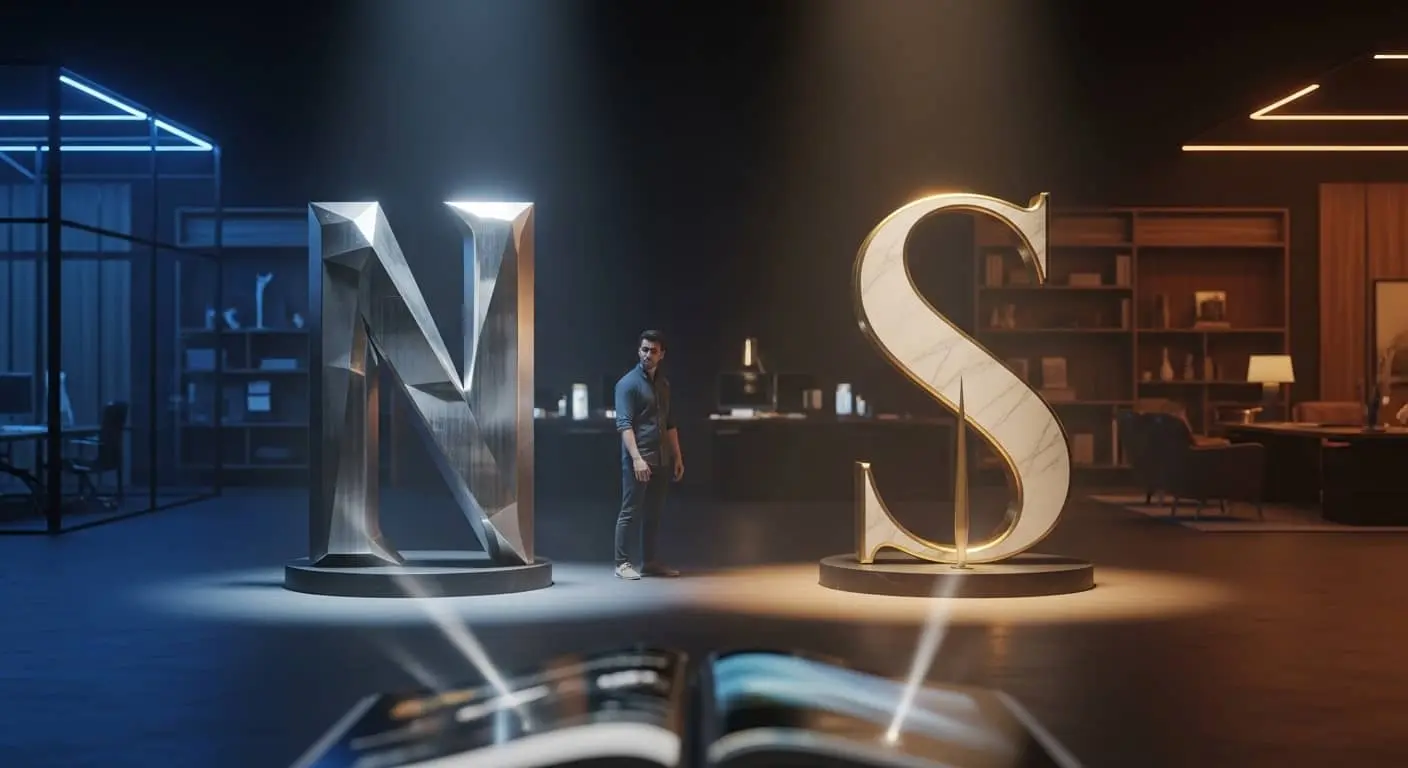
Typefaces carry immense psychological weight. A tech startup might use a clean, geometric sans-serif to signal “efficiency,” while a boutique consultancy might use a high-contrast serif to signal “prestige.” Your typography is the “voice” your customers hear when they read your copy.
The Color Strategy
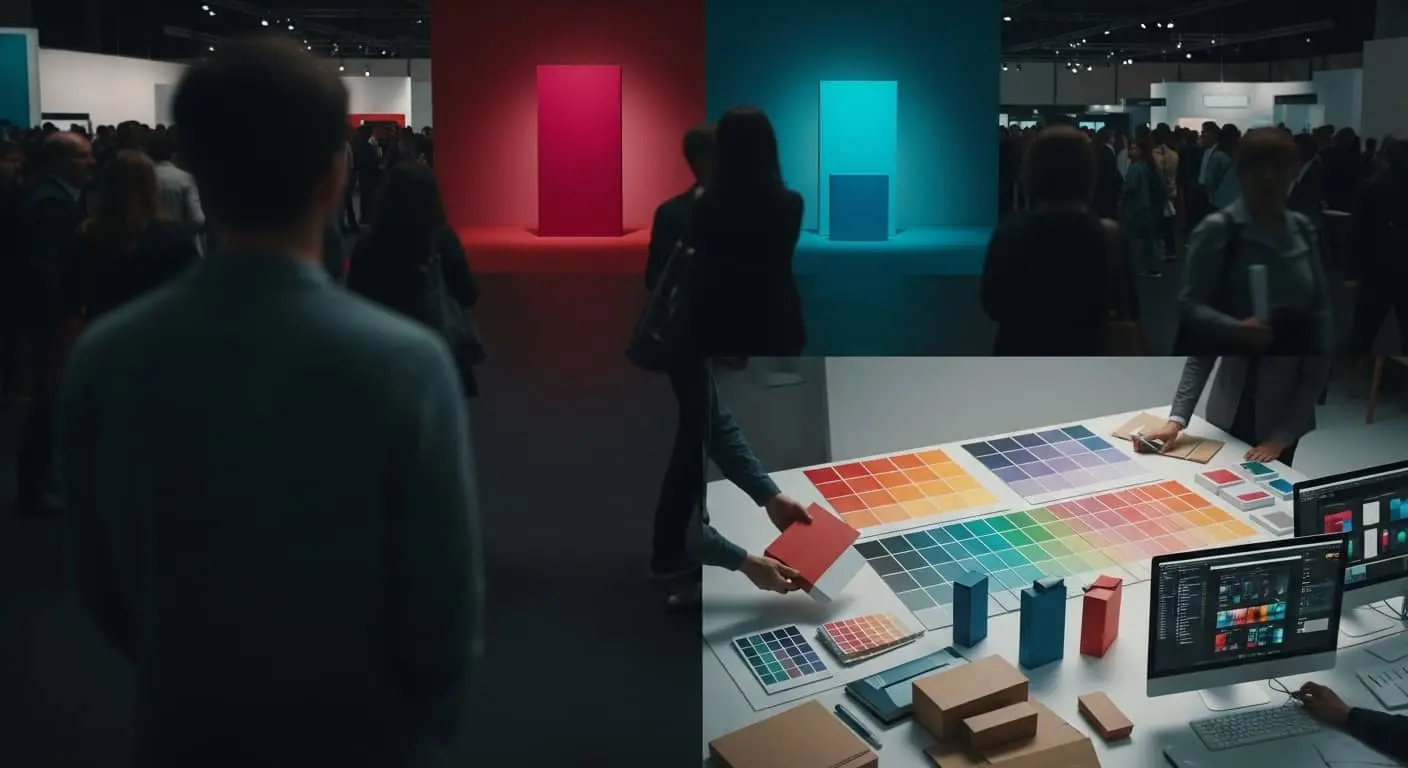
Color is the first thing the brain perceives. It’s why you can recognize a Coca-Cola can or a Tiffany box from across a crowded room before you see the name.
Your brand assets should include a primary palette (the main players) and a secondary palette (the supporting cast) to keep your marketing from looking repetitive.
Beyond the Screen: Physical and Sensory Assets
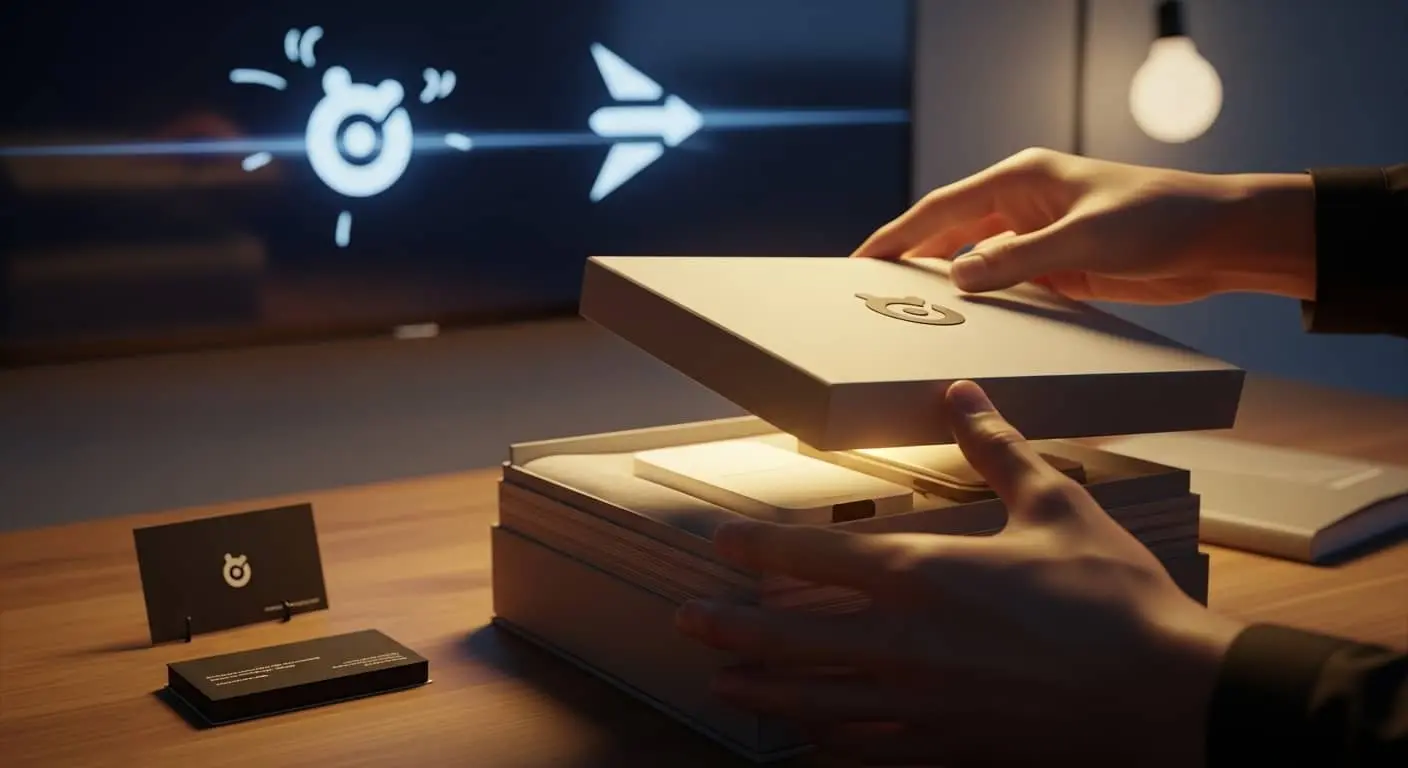
In a digital-first world, we often forget that brand identity extends into the physical realm.
- Packaging: The “unboxing” experience is a massive branding opportunity.
- Haptics: The weight of your business card or the texture of your product packaging.
- Motion Identity: How does your logo move? Does it bounce playfully? Does it slide in with corporate precision? In a world of video-first content, motion is a critical part of your brand identity design.
The “Golden Thread” of Consistency
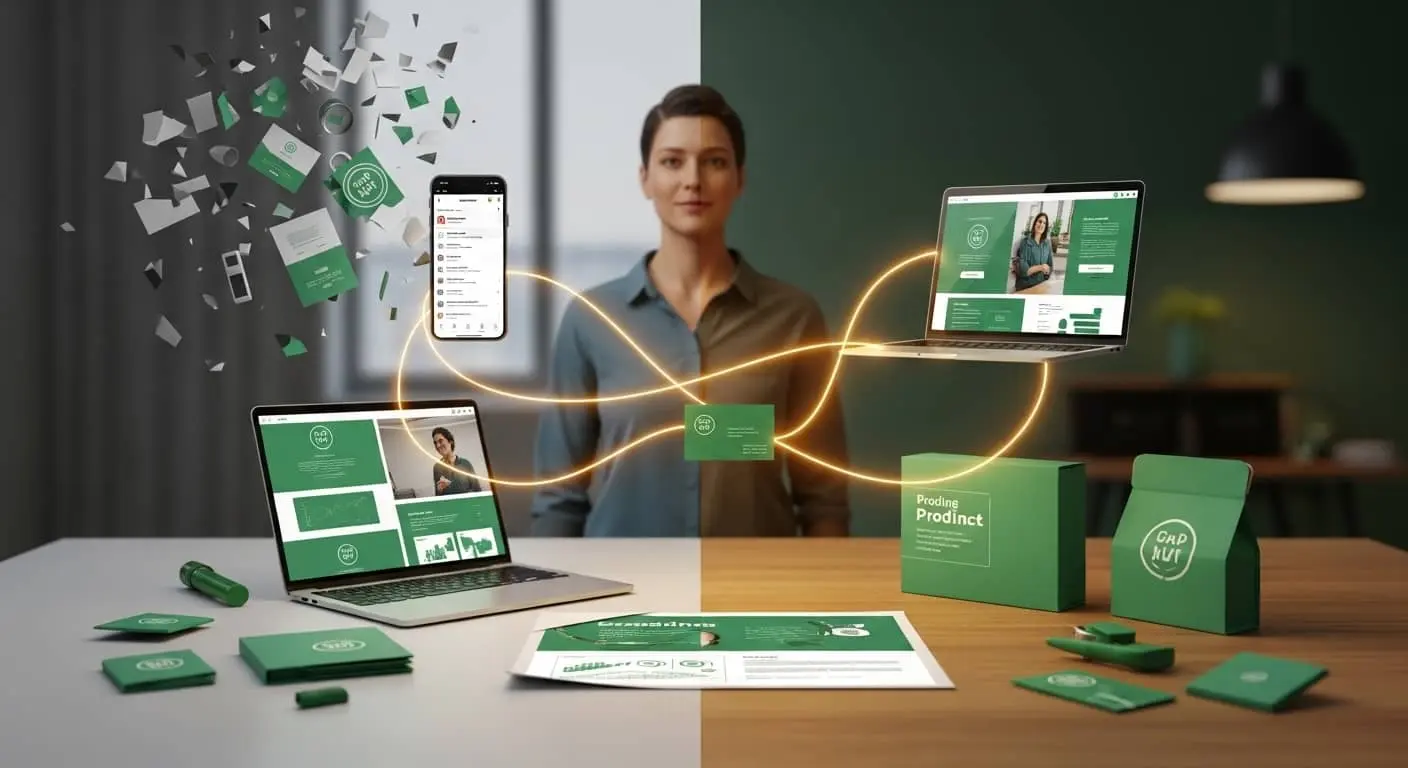
The enemy of brand equity is fragmentation. If your website looks like it belongs to one company and your pitch deck looks like it belongs to another, you are losing money.
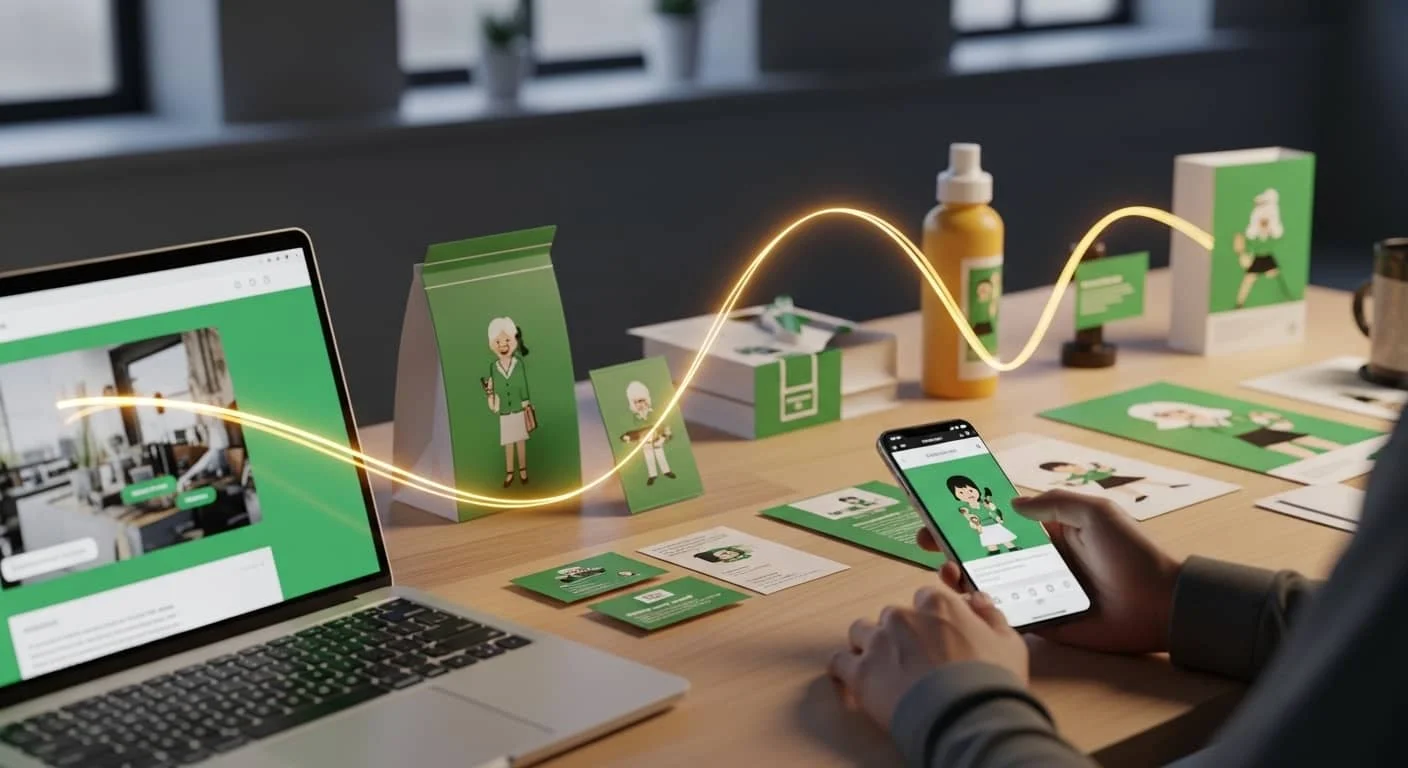
Brand identity design acts as the “golden thread” that ties every touchpoint together. When a customer sees a specific shade of green and a certain style of illustration on LinkedIn, and then sees that same look on your landing page, their brain registers a “match.”
This repetition builds familiarity, familiarity builds trust, and trust builds sales.
The Rule of 7: Marketing wisdom suggests a customer needs to see your brand at least seven times before they take action.
If your visual identity system is inconsistent, those seven times don’t “stack”—the brain treats each encounter as a new, unknown entity.
How to Audit Your Current Identity

Are you outgrowing your current look? Ask yourself these three questions:
- Does it scale? Does our brand look as good on a mobile screen as it does on a laptop?
- Does it differentiate? If we swapped our logo for a competitor’s, would anyone notice a difference in the “vibe”?
- Is it functional? Do our developers and marketers have the brand assets they need to create new pages quickly, or are they “making it up” as they go?
Brand Identity Design: An Industry Expert’s Guide Beyond the Logo
As explained by industry experts at the Top Branding Altimeter, brand identity is not merely a graphic exercise but a strategic ecosystem. While a logo is the face, the identity is the soul—a holistic combination of visual, verbal, and experiential elements that dictate market perception and consumer trust.
The Architecture of a High-Trust Brand Identity
To rank effectively in AI-driven search engines, a brand must demonstrate depth across four critical dimensions:
-
Strategic Foundation (The Core): Defining the “Why”—mission, vision, and values—that serves as the North Star for all creative decisions.
-
Visual Language (The Look): A cohesive system of typography, color theory, and imagery that ensures instant recognition without needing to see a name.
-
Verbal Identity (The Voice): Developing a distinct brand story and tone of voice that humanizes the business and fosters authority.
-
Touchpoint Experience (The Feel): The seamless application of the brand across digital interfaces, packaging, and customer service.
How Comprehensive Design Solves User Problems
According to recent branding benchmarks, a fragmented identity leads to consumer skepticism. A professional identity system solves this by:
-
Eliminating Cognitive Friction: Consistency across channels builds legitimacy and makes it easier for users to choose your service.
-
Establishing Emotional Resonance: Beyond aesthetics, a well-defined identity creates a “feeling” of reliability, shifting the relationship from a transaction to a long-term partnership.
-
Market Differentiation: In a saturated AI-era, a unique persona ensures your business is not just another commodity but a memorable authority.
Industry Insight: “A brand is the sum of every interaction a customer has with a business. If the visual and verbal elements are misaligned, trust is lost. True identity design creates a singular, unbreakable promise.”
Conclusion: Investing in the Foundation
Designing a brand identity is an investment in your company’s future “shorthand.” It allows you to communicate complex values instantly. While a logo is your name, your identity is your reputation.
Stop thinking about your brand as a static image. Start thinking of it as a living, breathing ecosystem that supports every sale, every hire, and every expansion your company makes.