- Technical SEO Explained
- The "Open Sign" in the Window: Crawling and Indexing
- Respecting Your Customer’s Time: Site Speed SEO
- Helping Google Help You: The Power of Schema
- The "Mobile-First" Reality
- Security as a Foundation of Trust (HTTPS)
- Architecture: The "Feng Shui" of Your Website
- FAQs – Technical SEO Explained
- Technical SEO is a Love Letter to Your Audience
Technical SEO Explained
Written by John J. Michaels | JAN 22, 2025

In the world of digital marketing, we often fall into two camps. On one side, you have the Creatives: the brand strategists, the designers, and the storytellers who focus on how a brand feels.
On the other side, you have the Techies: the developers and data analysts who live in the backend.
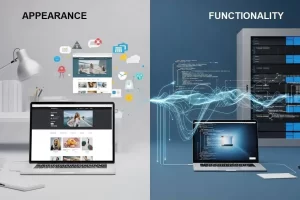
For a long time, these two worlds lived separately. But at Top Branding Altimeter, we know the truth: Your brand is only as good as its technical foundation.
You can have the most inspiring mission statement and a logo designed by the world’s best artist, but if your website takes ten seconds to load or doesn’t show up on Google, your brand effectively doesn’t exist.
This is where technical SEO explained in human terms becomes vital. It’s not about “gaming the system”; it’s about making sure your brand is accessible to the people who need it.
The “Open Sign” in the Window: Crawling and Indexing
Imagine you’ve just opened a stunning new flagship boutique in the heart of the city. The clothes are curated, the lighting is perfect, and the staff is trained.
But there’s one problem: the city planners forgot to put your street on the map, and your front door is accidentally locked from the outside.

In the digital world, crawl issues are those locked doors.
How Crawling Works

Search engines like Google use “spiders” or “bots” that constantly roam the internet, jumping from one link to another.
Their job is to discover what’s new. If these bots can’t move through your site because your navigation is confusing or your links are broken, they simply leave. If they leave, they can’t report back to Google HQ that your brand is awesome.
What is Indexing?

If crawling is “discovery,” indexing is “filing.” Once a bot finds your page, it tries to understand what it’s about and files it away in a massive digital library.
- The Human Fix: You don’t need to be a coder to help with this. Simply ensuring your website has a clear “Sitemap” (basically a table of contents for Google) and checking for broken “404” links can ensure your brand stays “on the map.”
Respecting Your Customer’s Time: Site Speed SEO

We’ve all been there. You click a link because you’re genuinely interested in a product, but the screen stays white. You wait. One second… two seconds… three…
By the fourth second, you’ve clicked away. You aren’t just annoyed at the technology; you’re subconsciously disappointed in the brand.
Site speed SEO is the ultimate form of digital empathy. When your site is fast, you are telling your visitor: “I know you’re busy, and I won’t waste your time.”
Why Speed is a Brand Builder
Google uses a set of metrics called “Core Web Vitals.” These are fancy words for “How long does it take for the main content to show up?” and “Does the page jump around while it’s loading?”
From a branding perspective, speed creates frictionless experiences.
- The Psychology of Fast: Fast sites feel more professional and trustworthy.
- The Technical Reality: Large, unoptimized images are the #1 brand-killer. High-resolution photos are great for design, but if they aren’t compressed, they act like lead weights on your website’s feet.
Helping Google Help You: The Power of Schema

Have you ever searched for a recipe and seen the star ratings, cook time, and calorie count right there on the Google results page? Or searched for a local business and seen their hours and phone number immediately?
That isn’t magic; it’s Schema.
Think of Schema as a “translator” for your brand. While you and I see a beautiful photo of a leather jacket and the text “$200,” Google just sees pixels and strings of characters.
By adding Schema (structured data), you are whispering in Google’s ear: “Hey, this is a product, it costs $200, and it’s currently in stock.”
Why Brands Need Schema
When you use Schema, you qualify for “Rich Results.” These make your search listing take up more physical space on the screen and look much more authoritative than a plain blue link. It’s the difference between a plain black-and-white business card and a gold-embossed one.
The “Mobile-First” Reality
If your brand’s website looks great on a 27-inch iMac but looks like a jumbled mess on an iPhone, you have a massive technical SEO problem.
Google now uses Mobile-First Indexing. This means Google looks at the mobile version of your site first to decide where you should rank.
This is a huge shift in how we think about branding. In the past, mobile was an afterthought—a “lite” version of the site. Today, the mobile experience is the brand experience.
The Mobile Shift:
Think about where your customers are when they find you. They are on a bus, in a waiting room, or sitting on the couch.
They are using their thumbs, not a mouse. Technical SEO ensures that your buttons are easy to click and your text is easy to read without zooming.
Security as a Foundation of Trust (HTTPS)

Would you walk into a store if there was a giant warning sign on the front door saying, “Warning: This building is not secure, enter at your own risk”?
Of course not. Yet, many brands forget to renew their SSL certificates, leading to the dreaded “Not Secure” warning in Chrome browsers.
Ensuring your site uses HTTPS is a core part of technical SEO. It encrypts the data between your visitor and your server.
It’s a silent signal that says, “Your data is safe with us.” Without this, all the beautiful branding in the world won’t convince someone to enter their credit card information.
Architecture: The “Feng Shui” of Your Website
Finally, let’s talk about how your pages are organized. Technical SEO experts call this “Site Architecture.” We call it “making sense.”
A well-structured site follows a logical hierarchy:
- Homepage (The Lobby)
- Categories (The Hallways)
- Products/Services (The Rooms)
If a user (or a search engine bot) has to click more than three times to get from your homepage to your most important content, your architecture is too deep. Keeping it “flat” makes your site feel breezy and easy to navigate.
Here are the condensed FAQs for Top Branding Altimeter, designed to give readers quick “wins” without the technical fluff.
FAQs – Technical SEO Explained
Do I need to be a coder?
No. You just need to understand the concepts so you can guide your team. Tools like WordPress or Shopify handle much of the heavy lifting, but you provide the strategy.
How often should I check my site’s “health”?
Aim for a deep dive every six months. However, if you launch a new product line or see a sudden dip in traffic, check your crawl issues immediately.
What is the difference between On-Page and Technical SEO?
On-Page is your content (keywords and images). Technical is your infrastructure (code, indexing, and security). One is the “show,” the other is the “stage.”
Does site speed really affect my brand?
Yes. Site speed SEO is a trust signal. A slow site makes a brand look outdated or unreliable. Most users leave if a page takes more than 3 seconds to load.
What is Schema in one sentence?
Schema is a digital translator that tells Google exactly what your data means (prices, ratings, dates) so it can display “Rich Snippets” in search results.
How do I know if Google can find my pages?
Use Google Search Console. It’s a free dashboard that alerts you to crawl issues and confirms which pages have been successfully indexed.
Technical SEO is a Love Letter to Your Audience
It’s easy to get overwhelmed by the jargon of the digital world. But when you strip away the code and the algorithms, technical SEO explained is simply about quality control.
It’s about ensuring your site is fast, secure, easy to navigate, and user-friendly. When you invest in your site speed, resolve crawl issues, and implement schema, you’re not just “doing SEO“—you are building a more reliable, professional, and trustworthy brand.
At Top Branding Altimeter, we believe that the best brands are the ones that work perfectly every single time. Don’t let a technical glitch stand in the way of your story.