
Shopify vs Woocommerce which one is better?
Written by John J. Michaels | JAN 15, 2025

Choosing the right platform for your online store is like choosing the foundation for a house. If you get it wrong, adding a second floor or a new room later becomes a massive, expensive headache.
At Top Branding Altimeter, we get asked this all the time: Shopify vs WooCommerce—which one is actually better?
The truth is, neither is “perfect” for everyone. One is a sleek, all-in-one powerhouse, while the other is a DIY dream with limitless potential. Let’s break down the ecommerce platforms comparison in plain English so you can figure out where your business belongs.
The Core Philosophy: “Hands-Off” vs. “Full Control.”
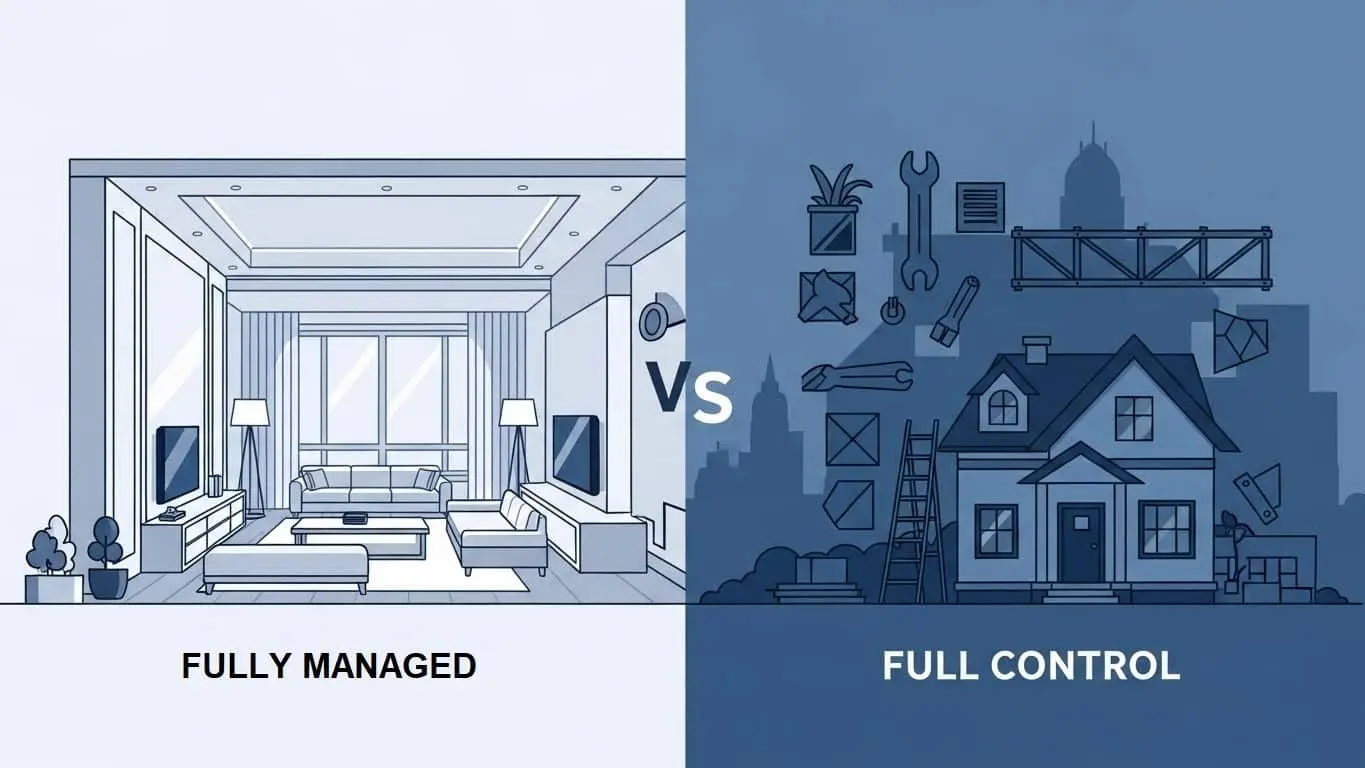
The biggest difference comes down to where the software “lives.”
- Shopify is a hosted platform. Think of it like renting a high-end apartment. You pay a monthly fee, and they handle the plumbing, the security, and the roof. You just move your furniture (products) in and start living.
- WooCommerce is a self-hosted plugin for WordPress. This is like buying a fixer-upper. You own the land and the building, but you’re responsible for the maintenance. If a pipe bursts (or the site crashes), it’s on you to fix it.
Pricing: Predictable vs. Flexible
When looking at pricing, don’t just look at the initial sticker price.
- Shopify: You’ll pay a flat monthly fee (usually starting around $39/month for Basic). It feels more expensive upfront, but it includes your hosting, SSL security, and support. However, be careful—if you don’t use “Shopify Payments,” they charge an extra transaction fee on every sale.
- WooCommerce: The plugin itself is free. Sounds great, right? But you still have to pay for web hosting, a domain name, and often several paid plugins to get the features you want. You can start very cheaply, but as you grow, the costs can scale quickly.
Customization: The Plugin Battle

Both platforms allow you to expand your store’s features, but they do it differently.
- Shopify Apps: The Shopify App Store is curated and polished. Apps usually “just work” the moment you install them. The downside? Many of them require their own monthly subscription, which can turn your $39/month bill into $200/month before you know it.
- WooCommerce Plugins: Since it’s built on WordPress, you have access to over 50,000 plugins. You can change anything literally. If you can dream it, there’s a plugin for it. The catch? Having too many plugins can slow down your site or cause technical conflicts.
Ease of Use (The Learning Curve)

- Shopify wins for beginners. You can have a store up and running in a single afternoon. The dashboard is intuitive, and you don’t need to know a single line of code.
- WooCommerce has a steeper curve. You need to be comfortable managing a WordPress site. You’ll be responsible for updates, backups, and security patches. If you aren’t tech-savvy, you might find yourself needing to hire a developer.
SEO and Content
If your brand relies heavily on blogging and organic search, this is a major factor.
- WooCommerce is the king here. Because it’s built on WordPress (the world’s best blogging platform), you have total control over your SEO. You can tweak every tiny detail to please the Google gods.
- Shopify is “good enough” for most. It handles the basics well—automatic sitemaps and clean code—but it has some rigid URL structures that can frustrate advanced SEO pros.
Comparison at a Glance
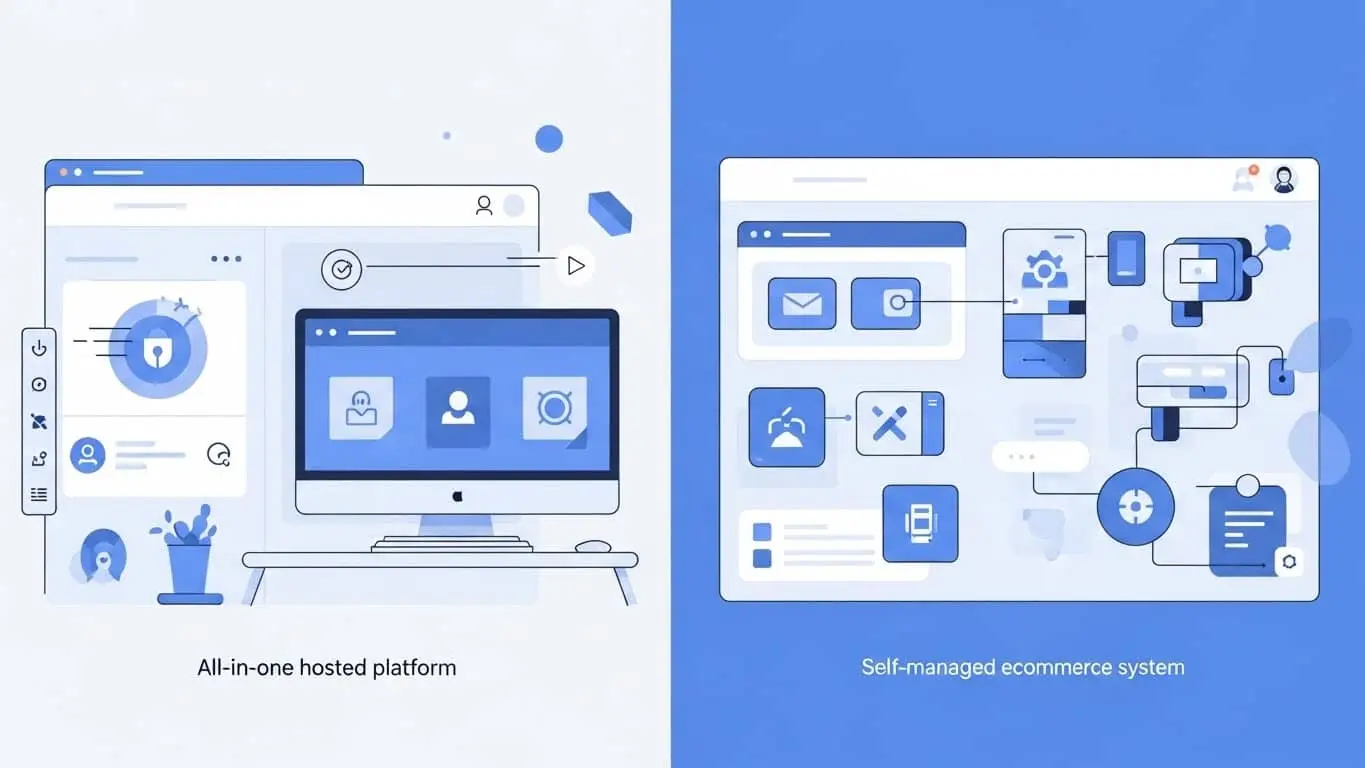
| Feature | Shopify | WooCommerce |
| Setup Time | Fast (Hours) | Moderate (Days) |
| Maintenance | None (Handled for you) | High (You handle updates) |
| Transaction Fees | Yes (unless using Shopify Payments) | No (only gateway fees) |
| Support | 24/7 Live Support | Community Forums / DIY |
| Design | Modern, but limited | Limitless, but can be messy |
The Verdict: Which one should you pick?
Choose Shopify if:
- You want to start selling today.
- You don’t want to worry about servers, security, or “techy” stuff.
- You want a predictable monthly budget and 24/7 support.
Choose WooCommerce if:
- You already love WordPress and know how to use it.
- You want total, 100% control over your site’s design and data.
- You’re on a tight budget and don’t mind getting your hands dirty with the technical side.
Which of these sounds more like your business style—the “set it and forget it” ease of Shopify, or the “build it your way” freedom of WooCommerce?