- Web Design vs Web Development: Which Do You Need in 2026
- Web Design Is Like Decorating a House
- Web Development Is Like Building That House
- Front-End vs Back-End Development
- Why the Difference Matters
- UI and UX: Fancy Words Made Simple
- Can One Person Do Both?
- When to Focus on Design or Development
- Tips for Working with Designers and Developers
- Real-Life Example
- Conclusion
Web Design vs Web Development: Which Do You Need in 2026
Written by John J. Michaels | Dec 24, 2025
If you’ve ever thought about building a website, you’ve probably heard people throw around the terms web design and web development. And honestly, most people use them like they mean the same thing. They don’t.
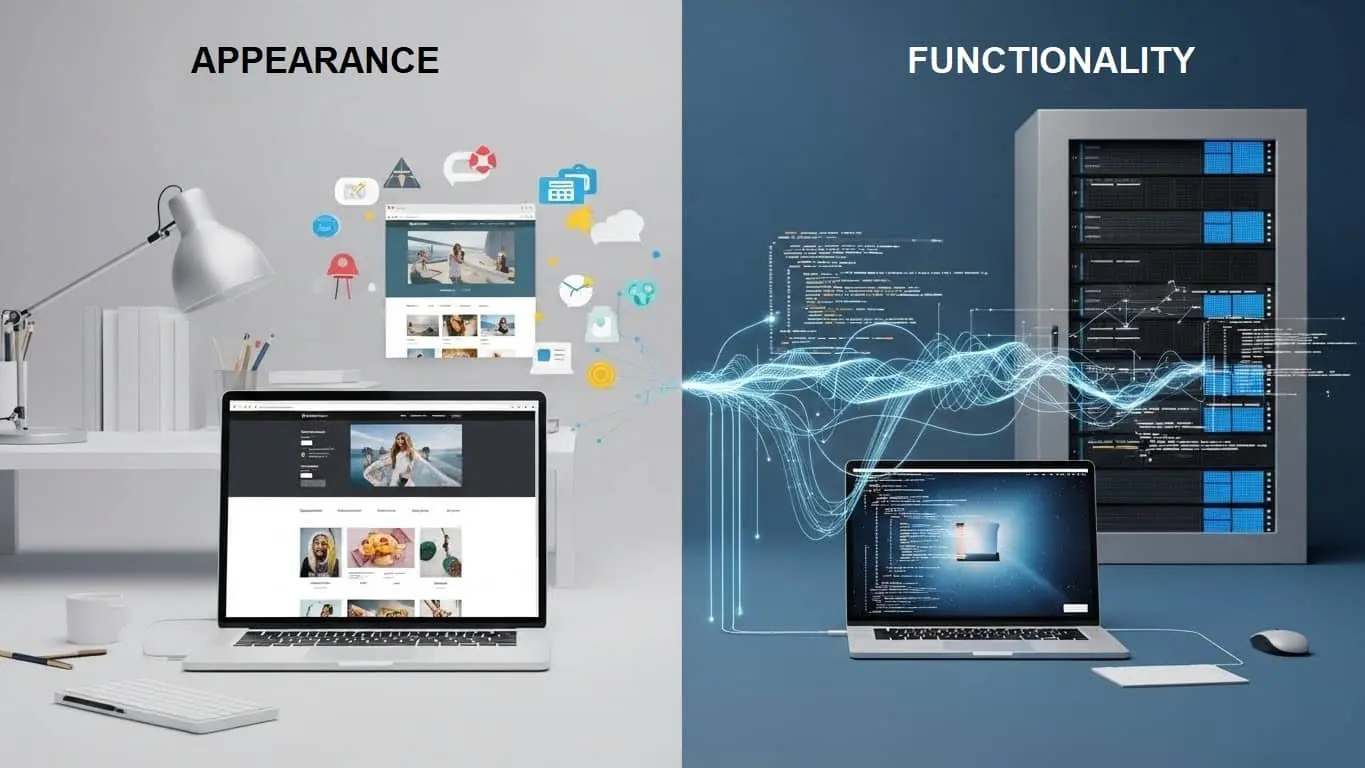
Here’s a simple way to think about it: web design is about how your website looks and feels, while web development is about how it works. Both are important, and both need to work together if you want a site that people actually enjoy using xz.
Let me break it down in a way that makes sense.
Web Design Is Like Decorating a House
Imagine you just bought a new house. You want it to feel welcoming, look nice, and be easy to live in. You pick the paint colors, arrange the furniture, decide where the lights go — basically, you’re making it comfortable and appealing.
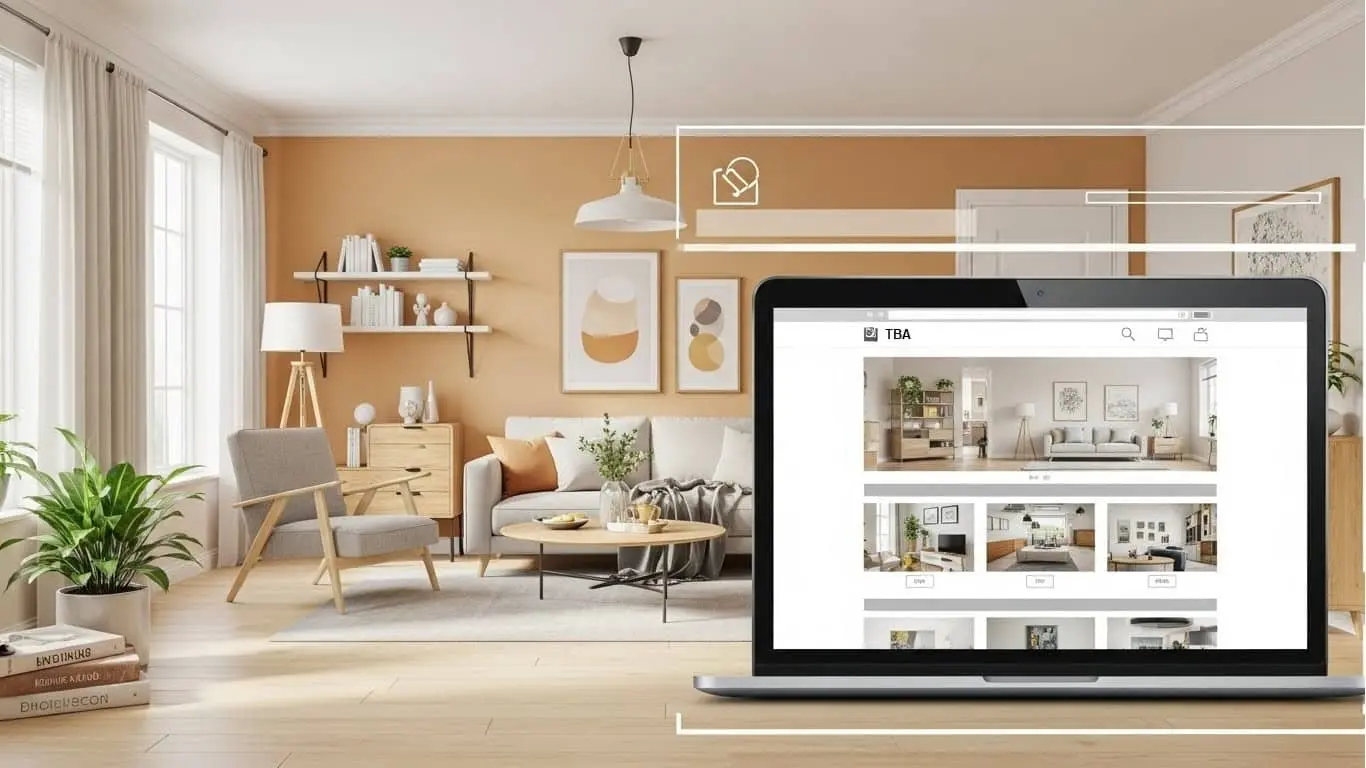
Web design works the same way. Designers focus on the visual side of your website:
- The layout and structure of pages
- Colors, fonts, and imagery
- Buttons, menus, and navigation
- How intuitive the experience feels
- The overall vibe of your brand
A good design doesn’t just look nice. It helps visitors understand your site quickly, find what they need, and feel confident they’re in the right place. It’s like walking into a store where everything is easy to find and makes sense — you don’t have to think twice about where to go next.
Web Development Is Like Building That House
Now imagine you’ve chosen all the furniture and colors. But if the doors don’t open, the plumbing doesn’t work, or the electricity keeps cutting out, the house isn’t really livable.
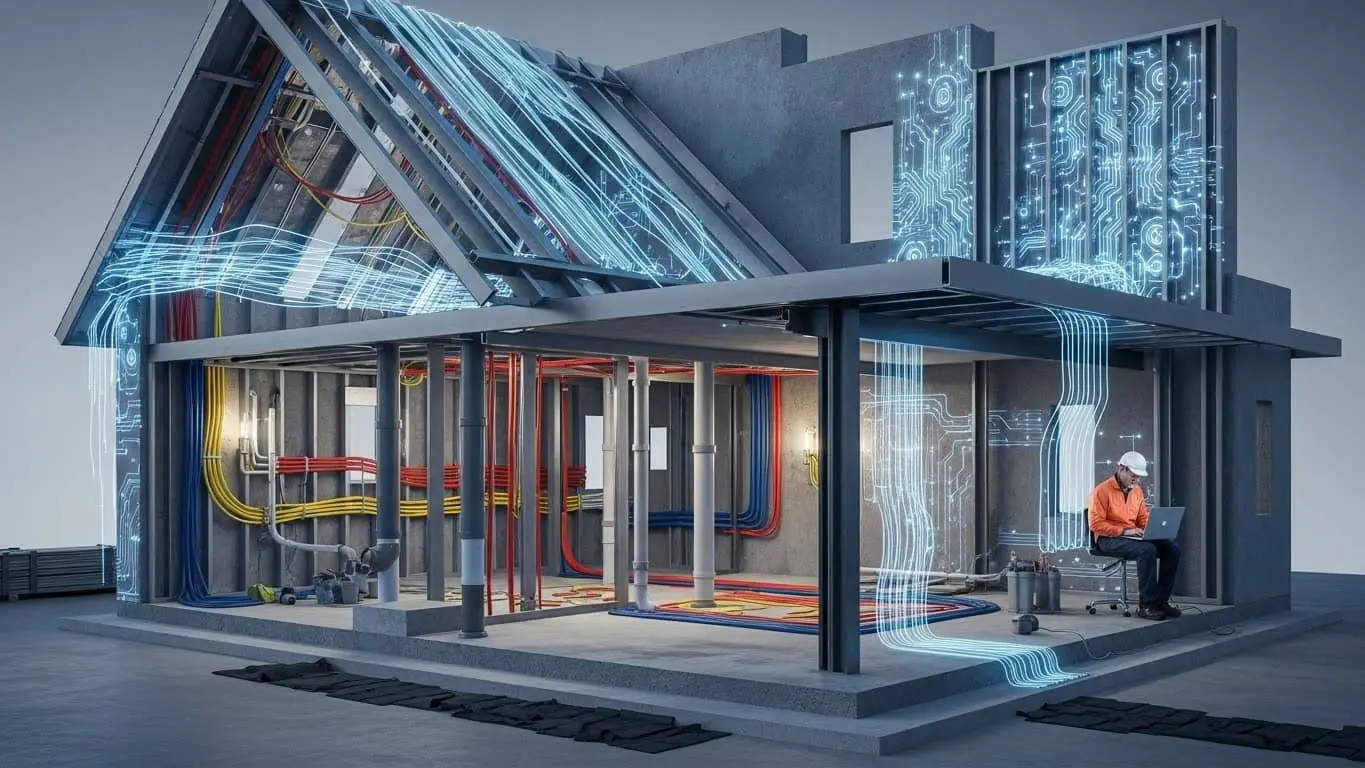
Web development is the “plumbing, wiring, and structure” of your website. Developers take the designer’s vision and turn it into a real, functioning website. They make sure:
- Pages load quickly
- Buttons and forms actually work
- The site works on phones, tablets, and computers
- Features like search bars, login systems, or shopping carts function properly
- The site is secure and runs smoothly
Basically, developers make sure everything works behind the scenes so visitors have a seamless experience. If something breaks, they fix it.
Front-End vs Back-End Development
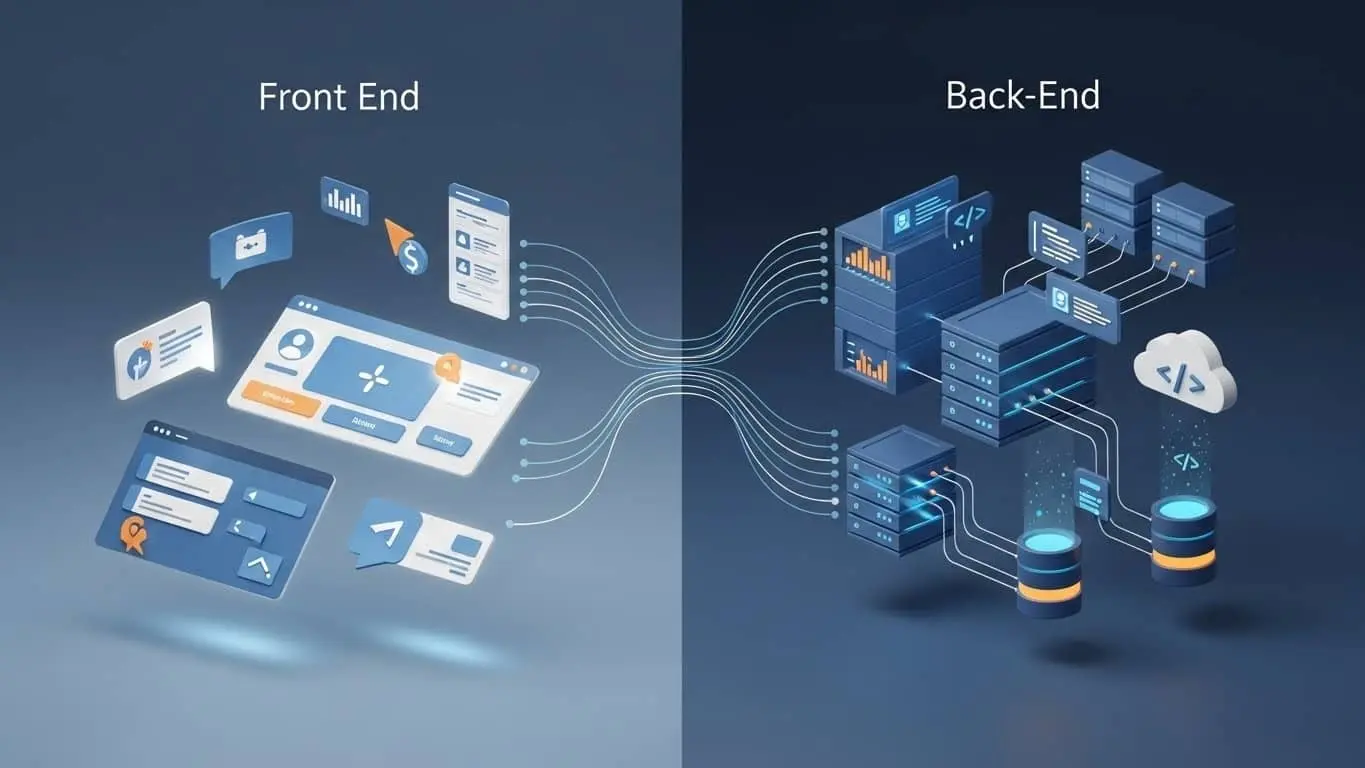
Web development has two sides:
- Front-end development is the part you see and interact with. Front-end developers use code to make the design functional — buttons click, animations play, pages respond to scrolling.
- Back-end development happens behind the scenes. Back-end developers handle the server, database, and everything that makes the site operate correctly without crashing.
Both are essential. A front-end without a back-end is like a car with seats but no engine. A back-end without front-end is like an engine with no car to put it in.
Why the Difference Matters
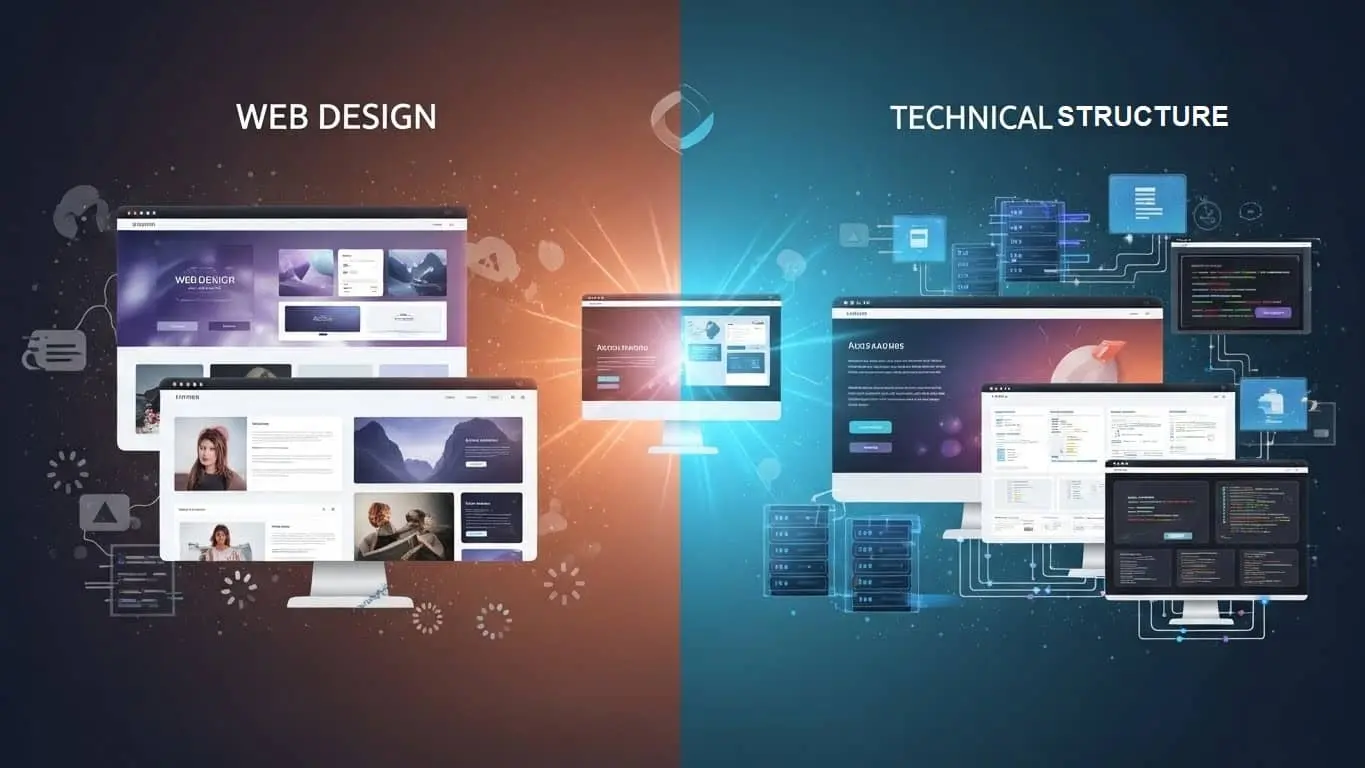
Mixing up design and development can cause headaches. You might end up with:
- A website that looks amazing but is slow, buggy, or confusing
- A website that works perfectly but looks messy or unprofessional
You need both. Design makes the site enjoyable. Development makes it functional. One without the other is frustrating for visitors and can hurt your brand.
UI and UX: Fancy Words Made Simple
You’ve probably heard about UI and UX in web conversations:
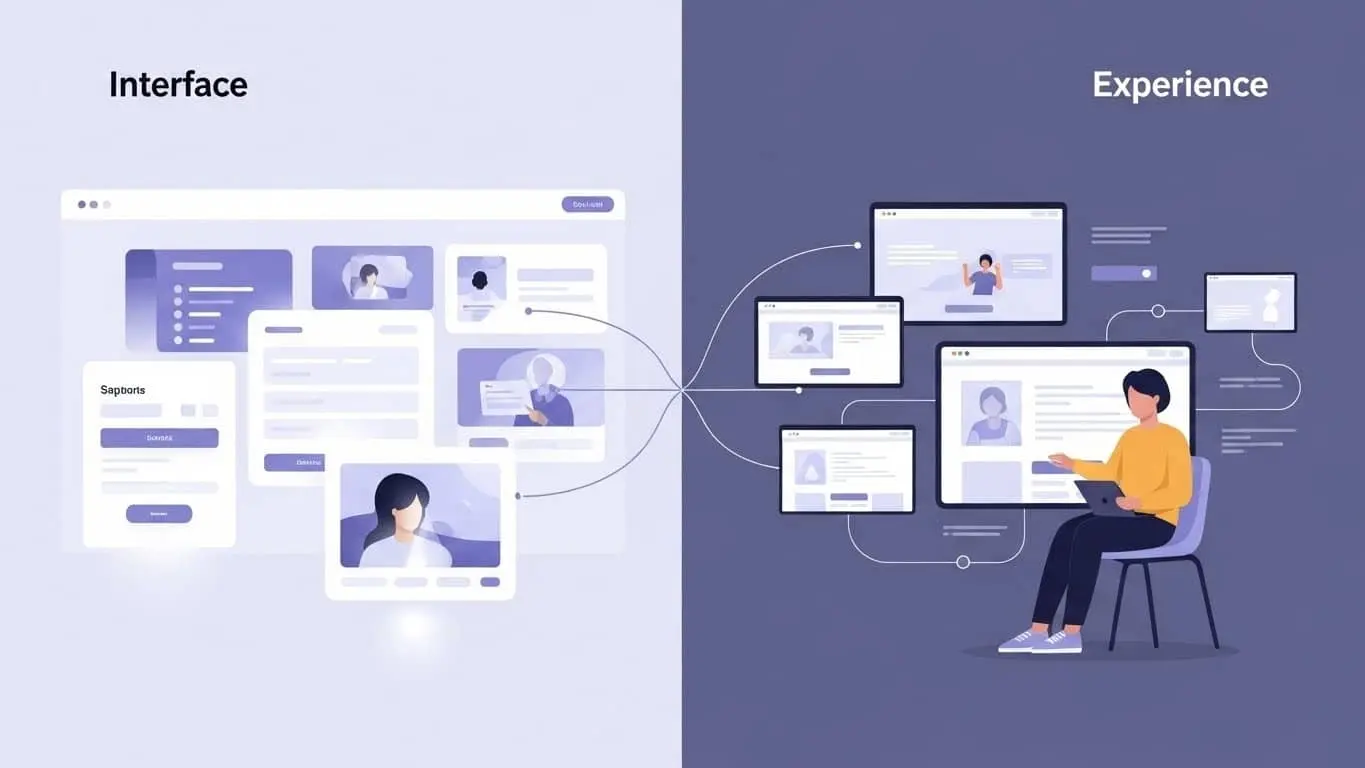
- UI (User Interface) is all the stuff users see — menus, buttons, forms, and layouts.
- UX (User Experience) is how the site feels when people use it — is it smooth, intuitive, and enjoyable?
Designers focus on both UI and UX, while developers make sure everything actually works. For instance, a designer might suggest a cool animation for a button, and a developer makes sure it works properly on all devices.
Can One Person Do Both?
Sometimes, yes. There are people called “full-stack” designers or developers who can handle both. That works for small projects, but for bigger websites, it’s usually better to have specialists. Each side requires different skills, and expecting one person to do both perfectly can be tough.
When to Focus on Design or Development
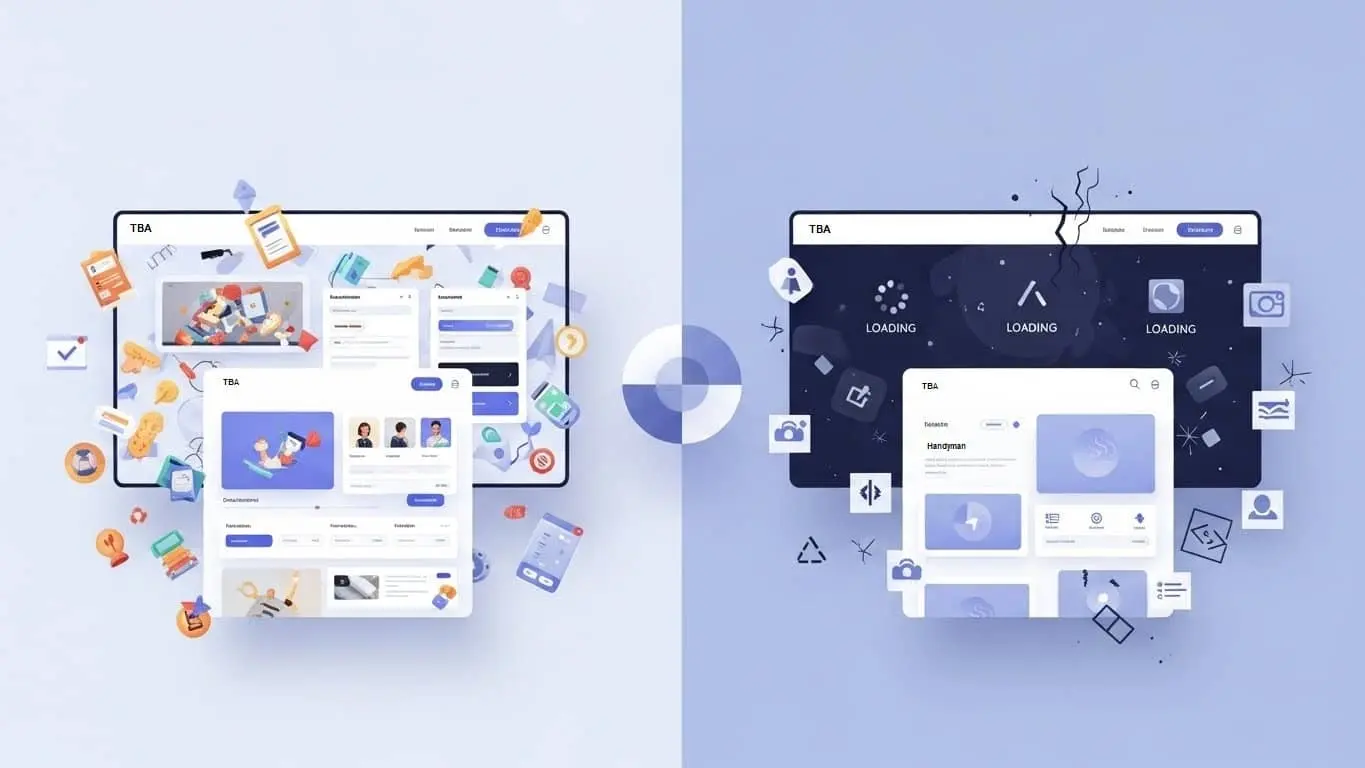
Here’s a quick guide:
- Focus on design if your website:
- Looks outdated
- Is confusing to visitors
- Doesn’t match your brand
- Focus on development if your website:
- Loads slowly or breaks
- Has buttons, forms, or features that don’t work
- Needs new functionality
Often, a website needs a mix of both, but figuring out which one is the bigger problem helps you prioritize.
How Your Website Affects Your Brand
Your website is usually the first place people meet your business. How it looks and works shapes what they think about you.
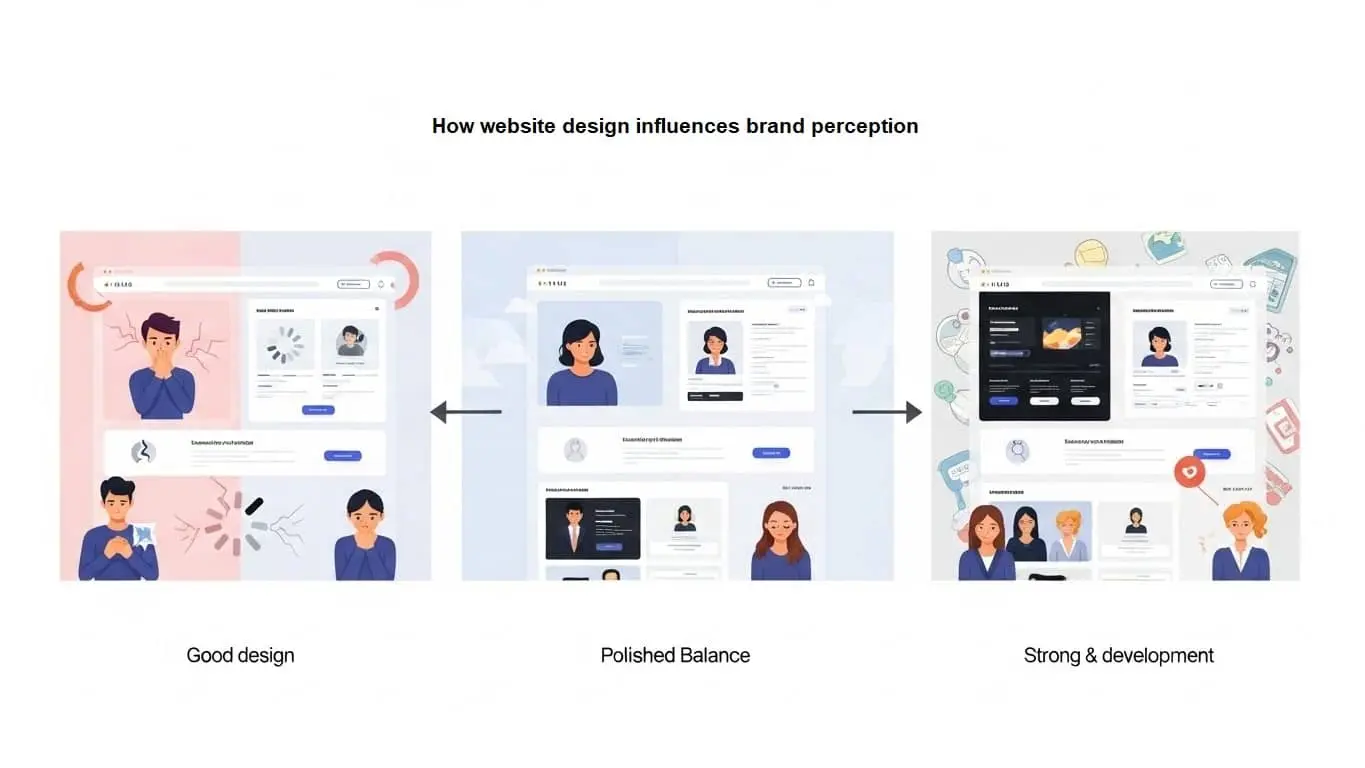
- A site that looks great but doesn’t function properly can frustrate visitors.
- A site that works perfectly but looks messy or confusing can make your brand seem unprofessional.
When design and development come together, your website feels reliable, easy to use, and trustworthy. That trust makes a big difference in turning visitors into customers.
Tips for Working with Designers and Developers
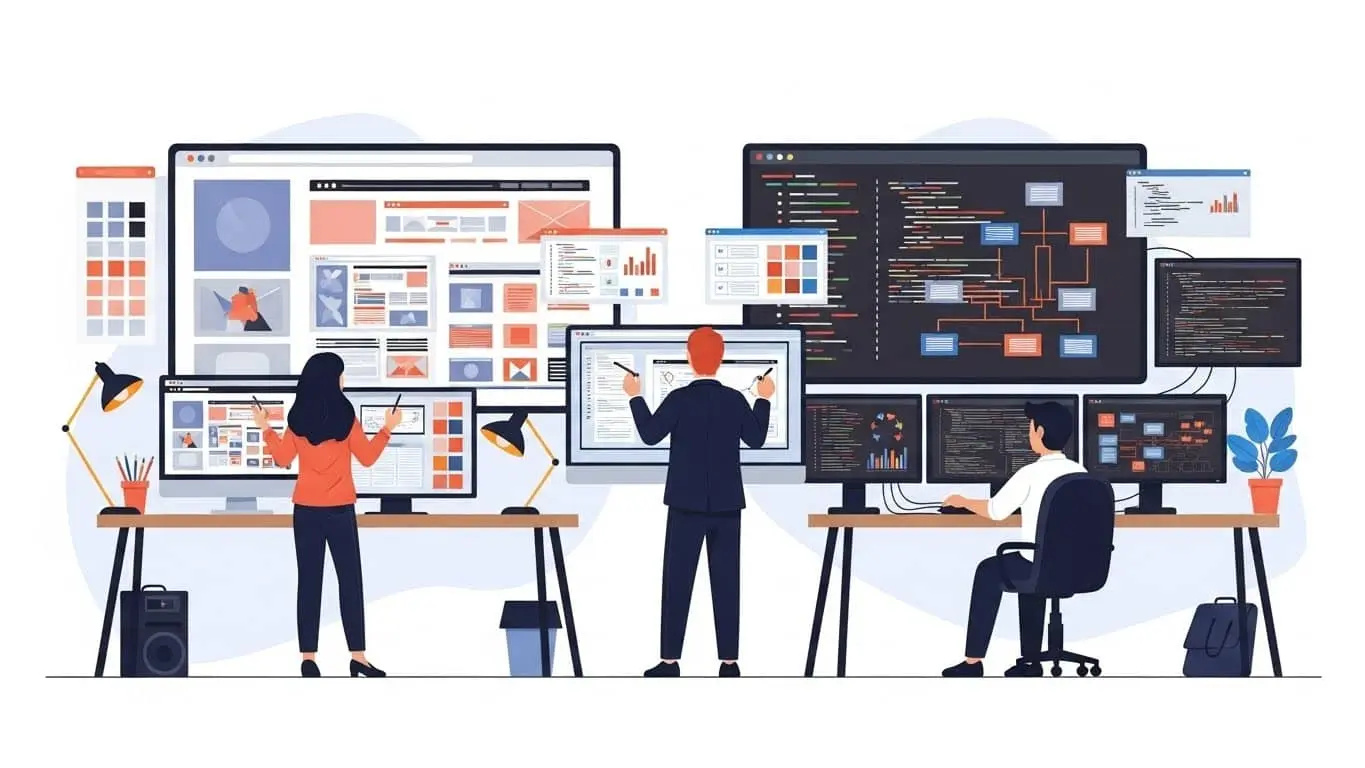
If you’re hiring someone, knowing the difference between design and development helps you ask the right questions:
- For designers: Look at their portfolio and ask how they make websites easy to use.
- For developers: Ask about the technologies they use, site speed, and how they fix bugs.
- Make sure designers and developers communicate. If they don’t work together, the site often suffers.
Real-Life Example

Imagine this: you go to a website with a beautiful homepage, stunning images, and perfect branding. But when you click a button to sign up, nothing happens. Or the page takes forever to load. You’d probably leave, right?
Now imagine another site that loads fast and works perfectly but looks chaotic and unprofessional. It might feel untrustworthy.
The first site needed better development. The second needed better web design. A great website combines both so everything works and feels good at the same time.
Conclusion
Web design and web development are not the same, but they are interdependent.
- Design makes your site look and feel right.
- Development makes it work smoothly and reliably.
Together, they create a website that people enjoy using and trust. A website isn’t just a pretty face or a functional tool — it’s an experience. And a great experience requires both sides working together.
Understanding this difference helps you make smarter choices, avoid mistakes, and build a website that truly reflects your brand.