- Local SEO Strategy: Grow Your Local Businesses and Rank on Google Maps
- The Human Side of the Algorithm: Relevance, Distance, and Prominence
- Your GBP: The Digital Front Porch
- Citations: Building a Consistent Identity
- The "Review" Conversation
- Hyper-Local Content: More Than Just "About Us."
- FAQs – local SEO strategy
- Conclusion: Putting Your Brand on the Map
Local SEO Strategy: Grow Your Local Businesses and Rank on Google Maps
Written by John J. Michaels | FEB 03, 2025
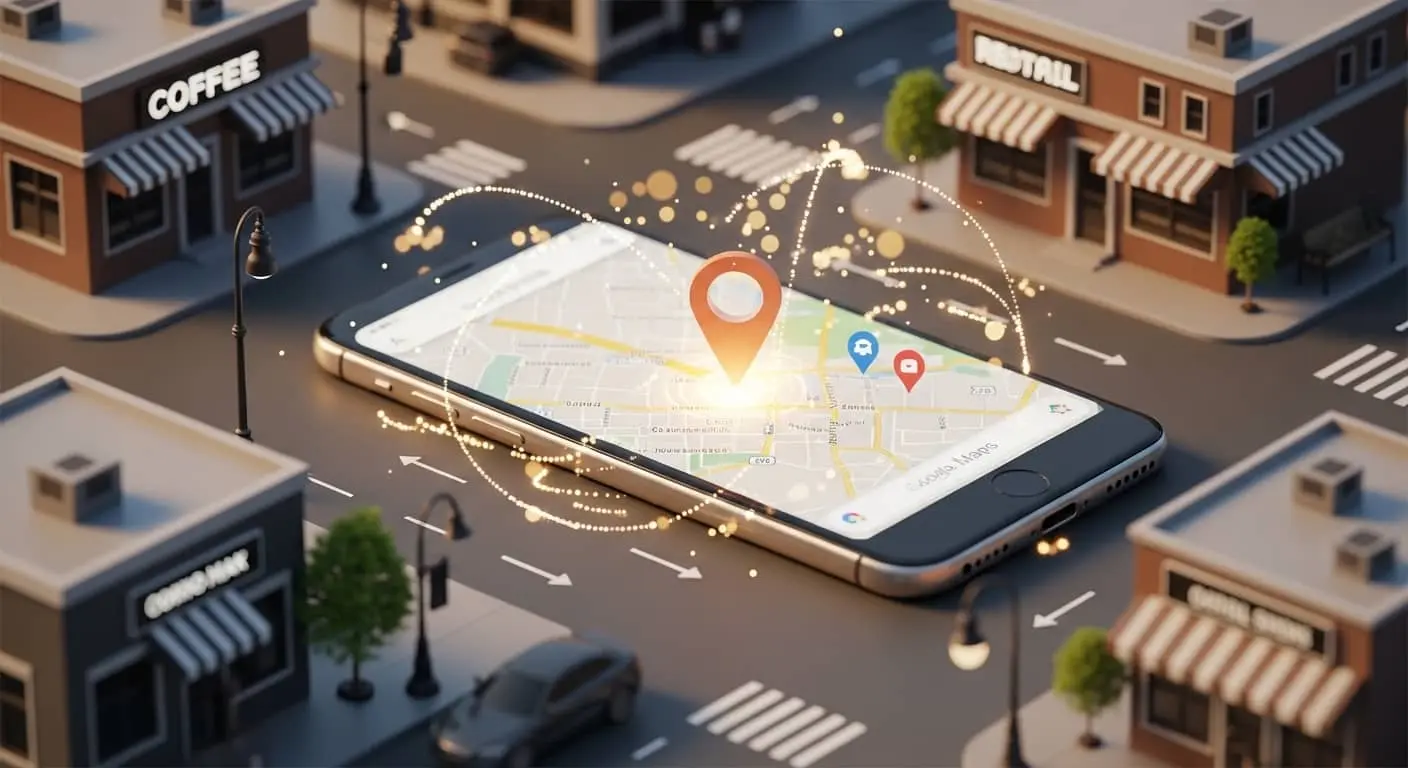
If you ran a business thirty years ago, your “Local SEO” was simple: you bought a bigger ad in the Yellow Pages and made sure your sign was bright enough to be seen from the road. Today, your “sign” is a glowing dot on a smartphone screen.
For US-based businesses—from the boutique coffee shop in Brooklyn to the law firm in downtown Dallas—the “Local Pack” (those top three results on Google Maps) is the ultimate digital real estate.
But how do you actually get there? It’s not about being the biggest company; it’s about being the most visible neighbor.
The Human Side of the Algorithm: Relevance, Distance, and Prominence

Google’s local algorithm tries to mimic a human recommendation. If you asked a friend for the “best hardware store nearby,” they would think about three things: Is it actually a hardware store? Is it close to you? And does everyone else love it?
- Relevance: This is about clarity. Does your local SEO strategy clearly communicate what you do? If your brand is “Green Leaf,” but you don’t explicitly tell Google you are a “Full-Service Landscaping or web design Company in Phoenix,” you’re leaving your ranking to chance.
- Distance: This is the only factor you can’t control, but you can influence it. By optimizing for “near me” search terms and defining your service areas clearly, you tell Google exactly which neighborhoods you “belong” to.
- Prominence: Think of this as your brand’s “street cred.” It’s a combination of your reviews, your backlinks, and how often your name pops up across the web.
Your GBP: The Digital Front Porch

Your Google Business Profile (GBP) is often the first “human” interaction a customer has with your brand. They see your photos, your hours, and your personality before they even click your website.
The Power of the “Post”

In 2025, a static profile is a dead profile. Treat your GBP like a social media feed. Posting weekly updates.
Whether it’s a new product launch, a “behind the scenes” look at your team, or a holiday greeting, signals to Google that you are open for business and active in the community.
Visual Storytelling

Humans are visual creatures. US businesses that move beyond stock photos and upload high-resolution, “real-life” images of their storefront and products see a massive spike in local search engagement.
When people can see your front door, they feel more comfortable walking through it.
Citations: Building a Consistent Identity

A citation is simply a mention of your business name, address, and phone number (NAP) on another website. Think of these as digital “vouching.”
The problem? Inconsistency. If your business moved two years ago and half the internet still lists your old address, Google gets confused. And a confused algorithm never ranks a business at the top.
The Easy Fix: Spend an afternoon auditing your listings on Yelp, Apple Maps, Bing, and local industry directories.
Ensure your NAP is identical everywhere. It’s tedious, but it’s the foundation of local search trust.
The “Review” Conversation
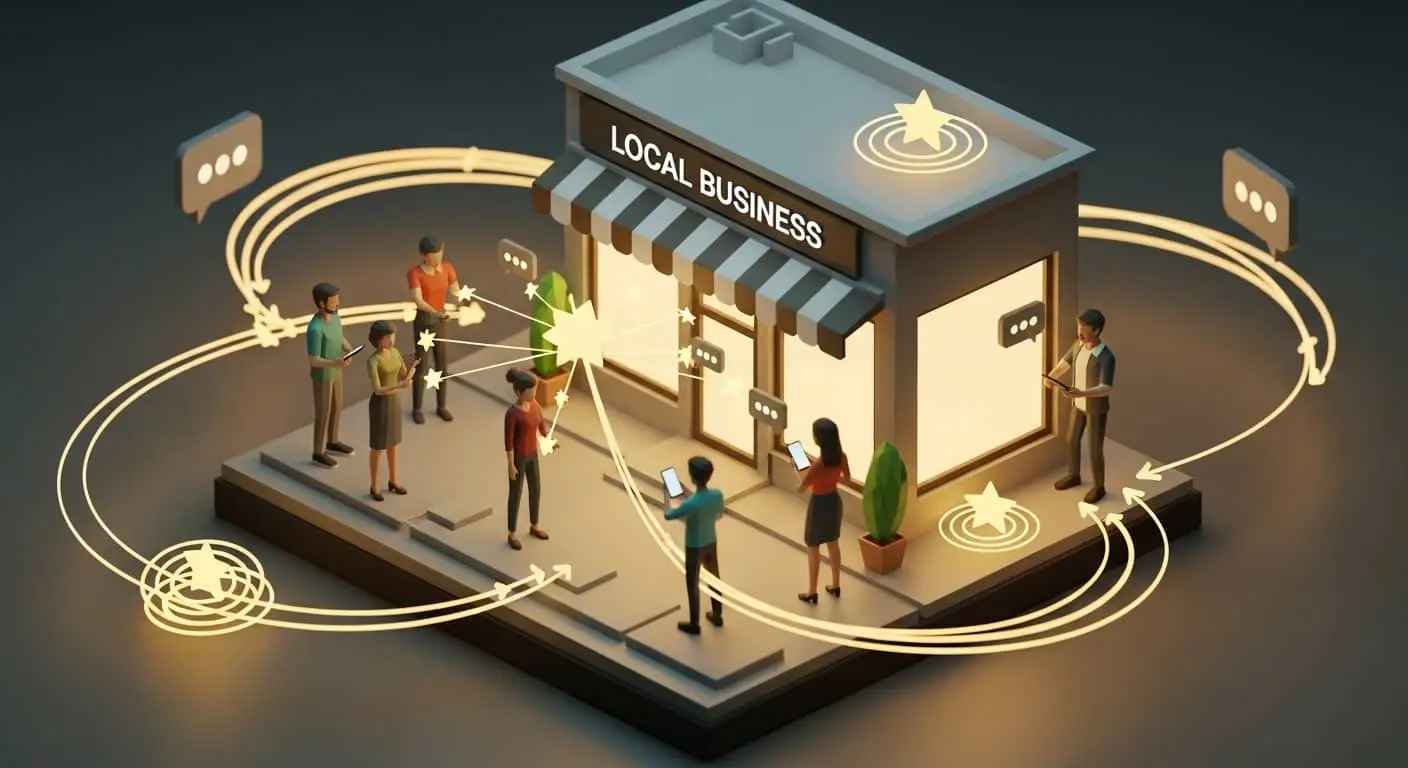
Reviews are the modern word-of-mouth. But for a successful local SEO strategy, it’s a two-way street.
Why the Response Matters

When a customer leaves a review, they are talking to you. When you respond, you are talking to every future customer who reads that review. Google rewards active businesses.
A simple, “Thanks for stopping by, Sarah! We’re glad you liked the latte,” does more for your Google Maps ranking than you might think. It proves you are a responsive, living brand.
The Keyword Secret

Don’t be afraid to ask customers to mention what they bought. If a review says, “Great service,” it’s nice. If it says, “Great emergency plumbing service in Chicago,” it’s local SEO gold.
Hyper-Local Content: More Than Just “About Us.”

To dominate your local market, your website shouldn’t just talk about what you do; it should talk about where you do it.
- Community Ties: Did your team volunteer at a local food drive? Blog about it. Did you sponsor a Little League team? Put their logo on your site. This creates “topical relevance.”
- Location Pages: If you have offices in both Denver and Boulder, don’t use the same generic text for both. Mention local landmarks, specific neighborhood names, and even local weather or traffic patterns.
This tells Google (and your customers) that you aren’t a faceless corporation—you’re part of the neighborhood.
FAQs – local SEO strategy
What is the Local Pack?
It’s the top three business listings that appear on Google Search alongside a map. These spots get the majority of clicks and calls for local queries.
How do I improve my Google Maps ranking quickly?
The fastest wins usually come from fully optimizing your GBP—adding 20+ photos, choosing the correct primary category, and getting 3–5 new reviews from regular customers.
Do I need a physical office to rank on Google Maps?
Not necessarily. If you go to your customers (like a plumber or a mobile dog groomer), you can set up a “Service Area Business” profile. You’ll still rank, but your home address will stay private.
What are local citations?
Citations are mentions of your business on other websites. They act as “votes of confidence” that verify your business is real and located where you say it is.
Why am I not showing up for “near me” searches?
It’s usually a lack of “Prominence” or “Relevance.” Ensure your NAP is consistent across the web and that your website mentions your city and neighborhood multiple times.
Conclusion: Putting Your Brand on the Map
At Top Branding Altimeter, we believe that local branding is about more than just data—it’s about connection.
Your local SEO strategy is the bridge between your physical location and the digital world. By focusing on a great GBP, consistent citations, and genuine customer reviews, you aren’t just “ranking”—you’re becoming a trusted part of your customer’s daily life.